
Concrete Spalling: Causes, Prevention, and Repair in SA
Concrete Spalling: When Strength Starts to Peel Away
Concrete has a reputation for being stoic, almost geological in its patience. Yet even this hardened backbone of modern construction is not immune to time. In South Africa’s varied climate, reinforced concrete structures quietly endure cycles of heat, moisture, coastal salt exposure, and urban pollution. Over the years, these forces converge into one of the most common and costly forms of deterioration: concrete spalling.
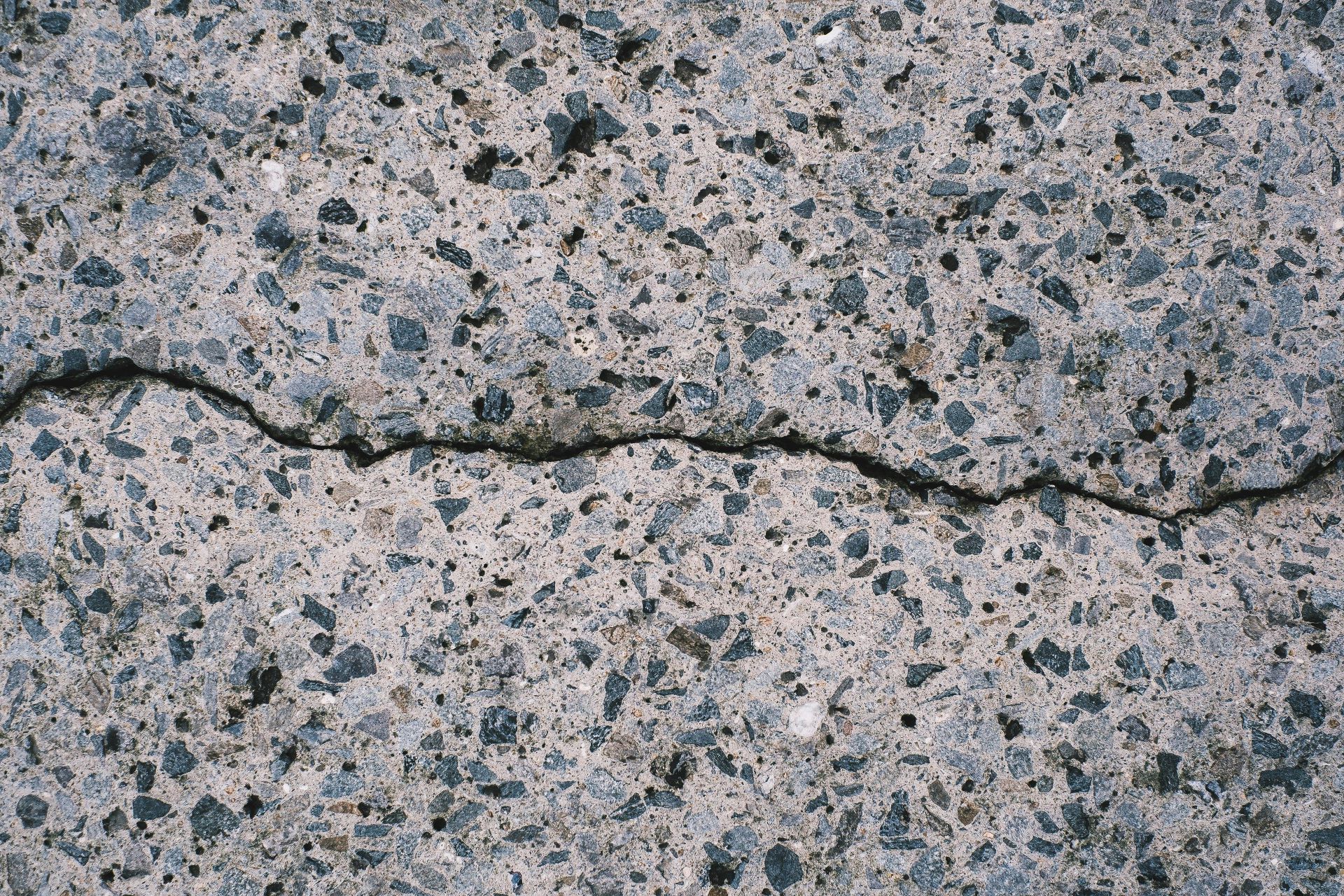
Spalling is the breaking, flaking, or chipping away of concrete surfaces. What often begins as a cosmetic blemish can evolve into a structural concern, especially when it exposes the steel reinforcement embedded within. And once steel is exposed, the real story begins: corrosion.
At its core, concrete spalling is not just concrete failing. It is the steel inside it losing its protective armour.
The Hidden Partnership: Concrete and Steel Reinforcement
Reinforced concrete is a dual-material system. Concrete provides compressive strength, while steel reinforcement bars (rebar) provide tensile strength. Together, they form a composite material capable of carrying heavy structural loads.
Concrete also serves a second, less visible role: it protects steel from corrosion. Fresh concrete is highly alkaline, creating a passive environment around steel that prevents rust formation. As long as this protective environment remains intact, rebar can last decades without issue.
However, this protection is not permanent. Over time, external agents gradually break down the concrete’s defence system, allowing moisture, oxygen, and salts to reach the steel beneath.
Once that barrier is compromised, corrosion begins. And corrosion is not a passive process. It is expansive, aggressive, and self-accelerating.
The Primary Cause: Corrosion of Reinforcing Steel
The dominant cause of concrete spalling in South African buildings is corrosion of embedded reinforcement steel.
When steel corrodes, it transforms into rust products that occupy significantly more volume than the original metal. This expansion creates internal pressure within the concrete cover. The surrounding concrete, though strong in compression, is weak in tension. It cannot resist this expanding force indefinitely.
Cracks begin to form along the surface. These cracks widen over time, allowing more moisture and oxygen to enter. The corrosion accelerates. Eventually, sections of concrete detach entirely from the surface.
In coastal regions such as Durban, Cape Town, and other marine environments, chloride exposure from salt-laden air significantly accelerates this process. Inland areas are not immune either, as carbonation slowly reduces concrete alkalinity over decades.
Carbonation is a subtle chemical process where carbon dioxide penetrates the concrete and neutralises its protective alkalinity. Once carbonation reaches the depth of the steel, corrosion can begin even in relatively dry environments.
Why South African Structures Are Particularly Vulnerable
South Africa presents a unique combination of environmental stressors that contribute to concrete deterioration.
Coastal exposure introduces airborne chlorides that penetrate porous concrete over time. Inland, temperature fluctuations and seasonal rainfall cycles encourage micro-cracking, which becomes pathways for moisture ingress. In urban environments, pollution and carbon dioxide exposure accelerate carbonation.
Add to this the reality of mixed construction quality across decades of development, and the risk profile increases further. Older structures, especially those built before modern durability standards were widely enforced, are often the most vulnerable.
Even newer buildings are not exempt if workmanship is inconsistent, particularly where insufficient concrete cover or poor compaction allows early ingress of moisture.
The Chain Reaction: How Spalling Progresses
Concrete spalling is rarely sudden. It follows a predictable deterioration pathway that unfolds over time.
First, micro-cracks develop in the concrete surface. These may result from shrinkage, thermal movement, or minor structural stress.
Next, moisture enters these micro-pathways. If chlorides or carbon dioxide are present, they begin to interact with the internal chemistry of the concrete.
Once the steel reinforcement loses its passive protection, corrosion begins. Rust forms and expands, exerting pressure on the surrounding concrete.
As pressure builds, cracks widen and propagate outward. Small fragments of concrete may begin to loosen or flake off. This is often the first visible sign of spalling.
Finally, larger sections detach, exposing reinforcement steel and accelerating deterioration.
What makes this cycle particularly dangerous is its feedback loop. Once reinforcement is exposed, corrosion accelerates rapidly, and structural integrity can decline much faster than expected.
Common Triggers Beyond Corrosion
While corrosion is the primary driver, several contributing factors often set the stage for spalling.
Poor concrete mix design can leave excessive voids or high permeability, allowing moisture to travel easily through the material. Inadequate curing during construction can weaken the surface layer, making it more susceptible to early cracking.
Insufficient concrete cover over reinforcement is another critical issue. If steel is placed too close to the surface, the protective barrier is too thin to resist long-term environmental exposure.
Mechanical damage also plays a role. Impact from vehicles, construction activity, or even aggressive cleaning methods can introduce cracks that later become corrosion pathways.
Fire exposure, though less common, can also induce spalling by rapidly changing internal moisture conditions and weakening the concrete matrix.
Early Warning Signs in Buildings
Spalling rarely appears without warning. Building maintenance teams should be alert to several early indicators:
Hairline cracks that spread in a branching pattern across concrete surfaces
Rust staining or discolouration on ceilings, beams, or columns
Small chips or flakes of concrete detaching from edges or corners
Hollow-sounding areas when tapped, indicating delamination beneath the surface
Visible reinforcement steel in advanced cases
In South African residential, commercial, and infrastructure contexts, these signs are often found in balconies, parking structures, façades, and roof slabs.
Prevention: Designing Against Time
Preventing concrete spalling begins long before deterioration starts. It is embedded in design, material selection, and construction quality.
Proper concrete cover over reinforcement is essential. This ensures that even if surface carbonation or moisture ingress occurs, the steel remains protected for as long as possible.
Low-permeability concrete mixes significantly reduce the rate at which water and salts can penetrate the structure. High-quality curing during construction ensures that the concrete develops its full strength and density.
Protective coatings and sealants provide an additional barrier, particularly in coastal or high-exposure environments. These coatings reduce water absorption and slow carbonation progression.
Drainage design is equally important. Standing water on slabs, balconies, or roof surfaces dramatically increases the risk of long-term moisture penetration.
Repair Strategies: Restoring Structural Integrity
Once spalling has occurred, repair must address both the visible damage and the underlying corrosion mechanism.
The affected concrete is typically removed to expose both damaged and surrounding material. Corroded steel is cleaned to remove rust deposits, and in severe cases, additional reinforcement may be added.
High-strength repair mortars or structural repair compounds are then applied to rebuild the concrete cover. These materials are designed to bond strongly with existing concrete while resisting future environmental ingress.
In more advanced deterioration cases, cathodic protection systems or corrosion inhibitors may be introduced to slow or halt ongoing steel corrosion.
The critical principle in all repair work is simple: treating only the surface without addressing corrosion will lead to recurrence.
Maintenance: The Long Game of Concrete Health
Concrete structures do not fail suddenly in most cases. They degrade gradually, often over decades. This makes routine inspection and maintenance the most powerful tool in preventing serious spalling.
Regular condition assessments allow early detection of cracking and moisture ingress. Timely sealing of small defects prevents them from evolving into major structural concerns.
In South Africa’s coastal cities especially, periodic maintenance is not optional; it is structural insurance against a predictable environmental process.
Buildings that are actively maintained often outlast their expected design life by significant margins, while neglected structures deteriorate far sooner than anticipated.
Steel, Concrete, and the Slow Battle Against Time
Concrete spalling is ultimately a story of internal imbalance. Concrete is meant to protect steel, yet once that protection fails, steel begins to expand, and the structure turns against itself from within.
In South African conditions, where moisture, salts, and temperature variation all play their part, this process is both common and inevitable without intervention.
But it is not uncontrollable. With correct design, quality construction, and consistent maintenance, reinforced concrete can remain stable and durable for generations.
Spalling is not the end of concrete’s story. It is a signal. And like all signals in construction, it rewards those who listen early.