
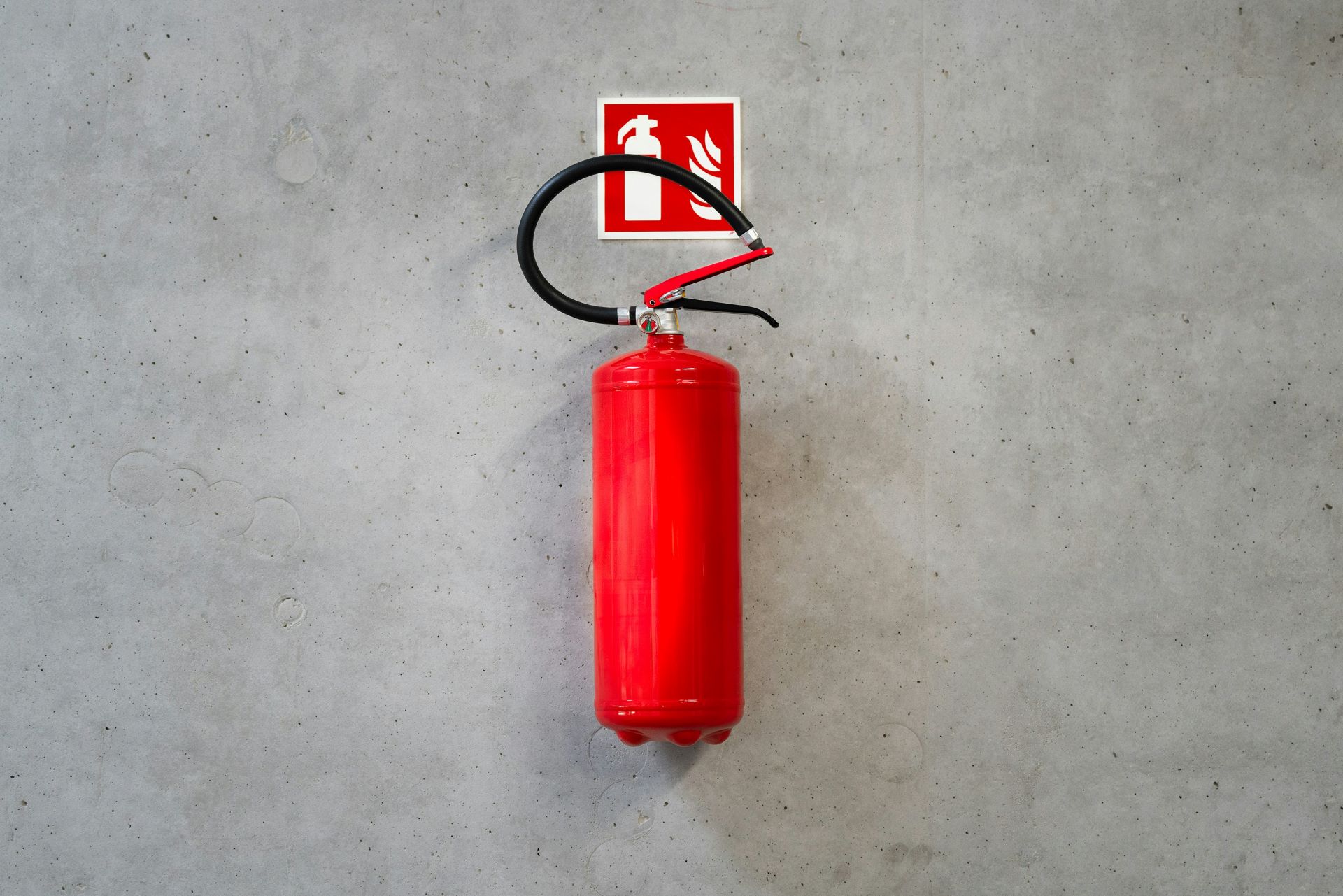
Fire Safety Compliance in South African Properties
Fire Safety Compliance in South African Properties: Where Regulation Meets Reality
Fire safety compliance in South African commercial properties sits at the intersection of regulation, engineering, and everyday operational discipline. On paper, the framework appears structured and comprehensive. In practice, however, it is often misunderstood, inconsistently applied, or reduced to a once-off inspection exercise rather than a living system of risk control.
Across offices, retail centres, warehouses, and mixed-use developments, compliance is frequently treated as a checklist. Yet the true purpose of fire safety regulation is not paperwork completion. It is the reduction of loss of life, protection of infrastructure, and continuity of business operations in environments where fire risk is both constant and evolving.
Understanding this distinction is critical. Fire safety is not a static requirement tied to occupancy certificates. It is an integrated risk mitigation system that must adapt as buildings age, tenants change, and internal layouts evolve.
The Regulatory Framework Governing Fire Safety in South Africa
Fire safety compliance in South Africa is primarily guided by the National Building Regulations and Building Standards Act, supported by a series of SANS codes, most notably SANS 10400-T, which focuses specifically on fire protection.
These regulations are designed to ensure that buildings are constructed and maintained in a way that limits fire spread, enables safe evacuation, and supports effective emergency response. They also align closely with the Occupational Health and Safety Act, which places a duty on employers and building owners to provide safe working environments.
Within this framework, compliance is not limited to construction approval. It extends into operational maintenance, system certification, and ongoing risk management.
A key challenge is that many property owners interpret compliance as a once-off approval milestone. In reality, the regulatory structure assumes continuous adherence, particularly when building use changes or when internal modifications are made.
The South African Bureau of Standards :contentReference[oaicite:0]{index=0} plays a central role in defining technical standards that underpin fire protection systems, including detection, suppression, and structural fire resistance.
Misalignment between design intent and real-world building modifications is one of the most common causes of compliance failure in commercial properties.
Why Fire Safety Regulations Are Often Misunderstood
The misunderstanding of fire safety regulations in commercial buildings often stems from their technical nature. Fire codes are not always written in accessible language, and their application requires interpretation by qualified professionals.
A second issue lies in the separation between design and maintenance. Architects and engineers design fire safety systems during construction, but facilities teams are responsible for maintaining them over time. This division often leads to gaps in accountability.
Another frequent misunderstanding is the belief that installed systems alone ensure compliance. A sprinkler system, for example, is only effective if it is regularly tested, properly pressurised, and free from obstruction. Without maintenance, even the most advanced system becomes symbolic rather than functional.
There is also confusion around occupancy changes. A building approved for a certain use category may no longer meet fire safety requirements if repurposed without reassessment. Offices converted into storage spaces or retail units altered for higher occupancy loads can significantly increase fire risk without triggering visible structural changes.
In many cases, compliance failures are not caused by neglect but by lack of awareness. This makes education and ongoing professional oversight essential components of risk mitigation.
Fire Risk in Commercial Buildings: A Layered Threat
Fire risk in commercial properties is rarely the result of a single failure. It is typically a layered combination of small oversights that accumulate over time.
Electrical overloads, blocked exits, improper storage of flammable materials, and malfunctioning detection systems each contribute incrementally to increased risk. When combined, they create conditions where a small ignition event can escalate rapidly.
Commercial buildings in South Africa face additional challenges due to ageing infrastructure in certain urban areas, inconsistent maintenance practices, and high occupancy variability in multi-tenant properties.
Fire risk must therefore be understood as dynamic rather than fixed. A building that was compliant at handover may become non-compliant within months if internal systems are not maintained or updated.
Effective fire safety management treats risk as an evolving profile rather than a static condition.
The Core Components of Fire Safety Compliance Systems
Fire safety compliance in commercial properties is built on interconnected systems that work together to prevent ignition, control spread, and support evacuation.
These systems typically include early detection mechanisms, suppression infrastructure, compartmentation design, and evacuation planning. Each element plays a distinct role, but none is effective in isolation.
Detection systems are responsible for early warning. Suppression systems respond to active fire events. Compartmentation limits spread. Evacuation systems protect occupants.
The failure of any single layer increases reliance on the others, which is why redundancy is a key principle in fire safety engineering.
Fire Detection Systems and Their Operational Role
Fire detection systems are the first line of defence in most commercial properties. They include smoke detectors, heat detectors, manual call points, and alarm panels that coordinate alerts.
Their primary function is early warning, enabling occupants to evacuate before conditions become dangerous. In modern commercial environments, detection systems are often integrated with building management systems for automated response.
However, detection systems are only as reliable as their maintenance schedule. Dust accumulation, battery failure, sensor drift, and wiring faults can all compromise performance.
In high-density buildings such as shopping centres and office towers, detection delays can have severe consequences due to rapid smoke spread and complex evacuation routes.
Regular testing and calibration are essential, particularly in environments with high airborne particulate levels or temperature fluctuations.
Fire Suppression Systems and Active Response Infrastructure
Fire suppression systems are designed to control or extinguish fire once it has started. These include sprinkler systems, gas suppression systems, and portable extinguishers strategically placed throughout a building.
Sprinkler systems remain one of the most effective suppression technologies in commercial buildings. When properly maintained, they can significantly reduce fire damage and prevent structural collapse.
Gas suppression systems are typically used in data centres, server rooms, and environments where water damage would be catastrophic. These systems rely on inert gases or chemical agents to suppress combustion.
Portable extinguishers provide immediate response capability for small fires, but their effectiveness depends heavily on staff training and accessibility.
A common compliance issue is obstruction. Storage items placed too close to sprinkler heads or extinguishers can render systems ineffective. This often occurs gradually as building use changes over time.
Compartmentation: Slowing the Spread of Fire
Compartmentation refers to the division of a building into fire-resistant sections designed to contain fire and smoke. This is achieved through fire-rated walls, doors, floors, and sealed service penetrations.
The goal is to slow fire spread, allowing occupants more time to evacuate and reducing structural damage.
In commercial buildings, compartmentation is often compromised during renovations. Service cables, ducting, and plumbing installations can breach fire barriers if not properly sealed afterward.
Even small breaches can significantly reduce the effectiveness of compartmentation strategies.
Regular inspections are required to ensure that fire-rated boundaries remain intact, especially in buildings with frequent tenant turnover.
Evacuation Systems and Human Behaviour in Emergencies
Evacuation systems include signage, emergency lighting, exit routes, and alarm communication systems. However, their effectiveness is heavily influenced by human behaviour.
In emergencies, occupants often hesitate, follow familiar routes, or attempt to collect personal belongings. This behavioural reality must be accounted for in evacuation design.
Clear signage, unobstructed pathways, and well-lit exit routes are essential. Emergency lighting systems must remain functional during power outages, guiding occupants safely to exits.
Evacuation drills, while often overlooked, play a critical role in ensuring preparedness. Familiarity reduces panic and improves response times.
In high-occupancy commercial environments, even minor delays in evacuation can significantly increase risk exposure.
Maintenance as the Backbone of Fire Safety Compliance
Maintenance is where fire safety compliance either succeeds or fails. Installed systems degrade over time, and without routine servicing, compliance becomes theoretical rather than practical.
Sprinkler systems require pressure testing, valve inspections, and flow verification. Detection systems require sensor cleaning and functional testing. Emergency lighting requires battery replacement and circuit checks.
Maintenance schedules must be documented and verified. In many compliance audits, documentation is as important as physical system condition.
A recurring issue in South African commercial properties is deferred maintenance due to cost pressures. While this may provide short-term savings, it significantly increases long-term risk exposure.
Fire safety systems are not passive assets. They are active protective mechanisms that require continuous investment.
Risk Mitigation Systems: Building a Layered Defence Strategy
Risk mitigation in fire safety is not achieved through a single system but through layered defence architecture. Each layer compensates for potential weaknesses in another.
A robust mitigation strategy includes detection, suppression, structural resistance, behavioural preparedness, and maintenance governance.
When these systems operate together, they create redundancy. If one system fails, others continue to provide protection.
For example, if detection is delayed, suppression systems may still control the fire. If suppression fails, compartmentation may slow spread. If all mechanical systems are compromised, evacuation systems become the final safeguard.
This layered approach reflects modern fire engineering principles and is essential in complex commercial environments.
Common Compliance Failures in Commercial Properties
Fire safety compliance failures are often predictable and repeatable across different property types.
One of the most common issues is blocked emergency exits, often caused by storage practices or poor space planning.
Another frequent failure is outdated fire system certification. Systems may be installed correctly but not retested within required intervals.
Renovations without fire engineering review also contribute significantly to compliance gaps. Structural changes can invalidate original fire safety assumptions.
Inadequate staff training is another critical issue. Even fully functional systems require human understanding to be effective during emergencies.
These failures are rarely isolated. They tend to cluster, increasing overall risk exposure.
Fire Safety in South African Commercial Contexts
South Africa’s commercial property landscape presents unique challenges for fire safety compliance. Mixed-use developments, ageing infrastructure, and varying levels of enforcement contribute to inconsistent standards.
In urban centres, high-density buildings increase evacuation complexity. In industrial zones, flammable materials and large-scale operations elevate ignition risk.
Regulatory frameworks exist to manage these risks, but implementation varies depending on property management quality and maintenance discipline.
Bridging the gap between regulation and practice requires consistent auditing, professional oversight, and a shift toward proactive risk management.
Moving from Compliance to Risk Intelligence
True fire safety excellence goes beyond regulatory compliance. It involves developing a risk intelligence approach where building systems are continuously monitored, assessed, and improved.
This includes integrating fire safety into broader facility management strategies, using data-driven maintenance schedules, and conducting regular risk assessments.
Rather than treating compliance as a fixed endpoint, property managers should view it as a continuous process of improvement.
In this model, fire safety becomes part of operational intelligence rather than a regulatory obligation.
Fire Safety as a Living System
Fire safety compliance in commercial properties is not a static checklist but a living system that requires ongoing attention, maintenance, and adaptation.
Regulations provide the framework, but real safety depends on how effectively systems are implemented, maintained, and understood.
When viewed through the lens of risk mitigation, fire safety becomes a layered defence strategy designed to protect both people and property under dynamic conditions.
In South Africa’s evolving commercial landscape, the most resilient buildings are not those that simply meet minimum compliance standards, but those that actively manage fire risk as a continuous operational priority.