
Foundation Solutions for Expansive Clay Soils in SA Homes
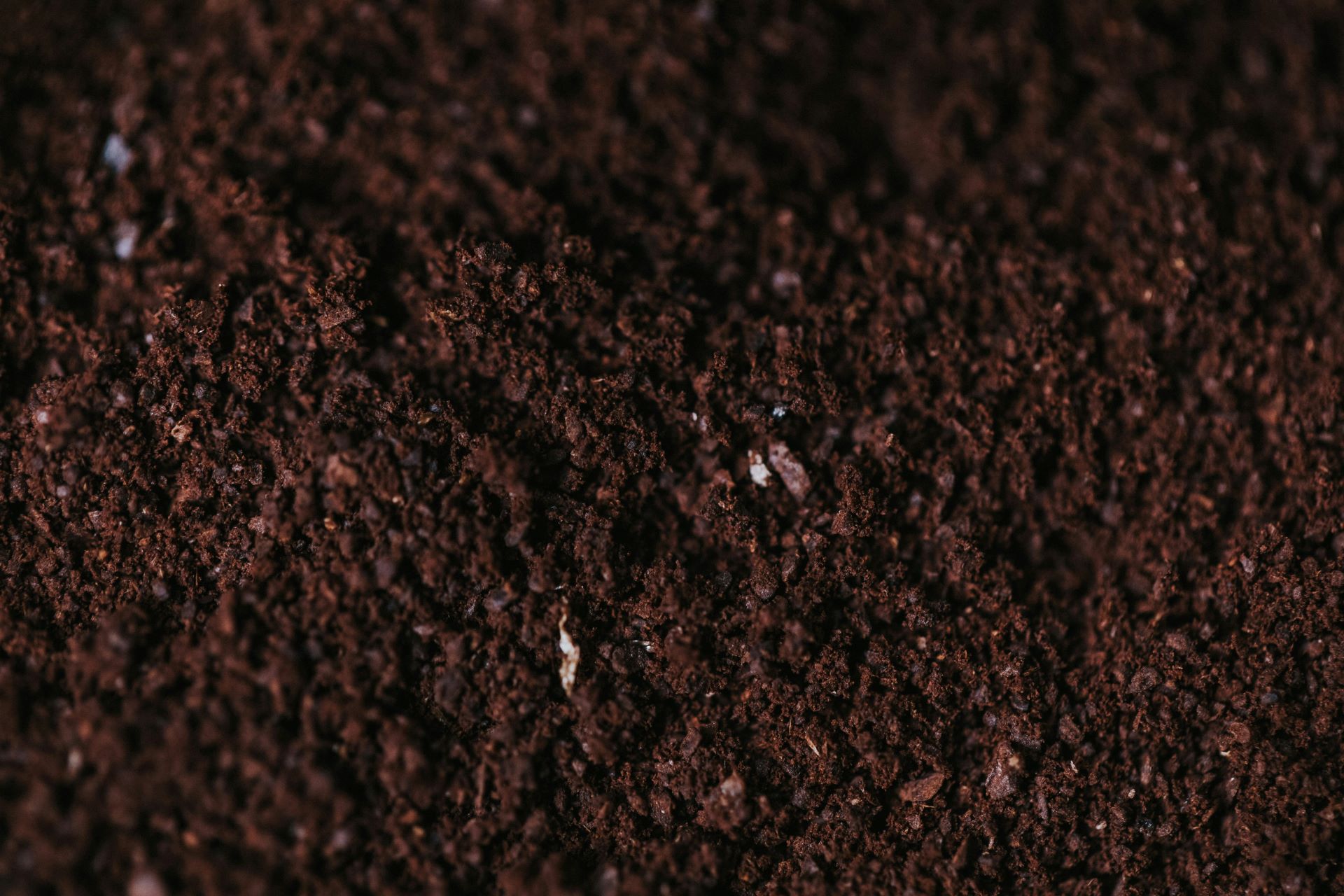
Expansive clay soils, common across many regions of South Africa, pose a unique challenge for homeowners and builders alike. Unlike stable soils, clay swells significantly when wet and contracts sharply when dry, causing movement that can destabilize standard foundations. This variability leads to cracks in walls, uneven floors, and misaligned doors and windows. Understanding the behaviour of these soils is the first step toward effective foundation design. In regions like Gauteng, Mpumalanga, and the Highveld, the prevalence of high-plasticity clays makes proactive planning essential to avoid costly structural repairs.
The Risks of Standard Foundations
Traditional strip and raft foundations often perform poorly on expansive clay, as their rigidity does not accommodate soil movement. Over time, these conventional methods can result in differential settlement, where one section of a home sinks more than another. This uneven settlement exerts pressure on structural elements, compromising both safety and aesthetics. Additionally, homes built without considering the swelling potential of local clay may experience recurring maintenance issues, from cracked plaster to warped door frames, creating frustration and escalating costs for homeowners.
Site Investigation and Soil Testing
Before construction begins, thorough geotechnical investigations are critical. Soil testing identifies the plasticity, moisture content, and shrink-swell potential of the clay on a specific site. Techniques such as the Atterberg limits test and soil classification provide quantitative measures of soil behaviour. These tests allow engineers to design foundations that respond effectively to the specific challenges of the site, rather than applying generic solutions. Early detection of high-risk areas ensures that proper mitigation measures are incorporated from the outset, reducing the likelihood of future structural distress.
Choosing the Right Foundation Type
Several foundation solutions are well-suited to expansive clay soils. Pier and beam foundations elevate the home above the soil, reducing the effect of seasonal moisture changes. Reinforced raft foundations distribute loads more evenly and allow the soil to move beneath the structure without causing concentrated stress points. Alternatively, screw piles or helical piers can anchor the foundation deep below the active clay layer, providing stability regardless of surface moisture fluctuations. Selecting the optimal method depends on soil analysis, load requirements, and budget, but the key is designing a system that accommodates movement rather than resisting it entirely.
Moisture Management Strategies
Controlling soil moisture is as crucial as structural adaptation. Excess water near the foundation exacerbates clay expansion, while prolonged drought can trigger contraction. Effective drainage systems, including sloped landscaping, perimeter drains, and gutters, help maintain consistent moisture levels. Landscaping choices such as drought-resistant vegetation and limiting large trees near foundations also reduce the risk of uneven soil movement. Additionally, techniques like maintaining a moisture buffer zone with controlled irrigation can prevent dramatic seasonal fluctuations that lead to foundation stress.
Reinforcement and Engineering Solutions
Modern construction materials and engineering practices provide added resilience. Concrete mix designs can incorporate additives that reduce shrinkage, while reinforcement with steel rebar or mesh enhances tensile strength. In some cases, chemical stabilization of soil with lime or cement is applied to reduce plasticity, effectively decreasing the soil’s swelling potential. Integrating these solutions during construction ensures a foundation capable of withstanding long-term soil movement, safeguarding both the structure and the investment in the home.
Monitoring and Maintenance
Even the most carefully engineered foundations require monitoring. Homeowners should conduct regular inspections for cracks, uneven floors, and misaligned doors or windows. Early detection of minor movement allows for corrective measures before severe structural damage occurs. Professional assessment every few years can confirm that drainage systems are functioning properly and that soil conditions remain stable. Combining proactive maintenance with robust construction techniques ensures that homes built on expansive clay soils remain safe and functional for decades.
Building on expansive clay soils demands a combination of understanding, engineering, and ongoing care. Site-specific soil analysis, tailored foundation solutions, moisture management, and modern reinforcement techniques all work together to prevent the common issues of cracking and shifting. By addressing soil variability proactively, South African homeowners can enjoy durable, stable homes even in regions where clay soils dominate the landscape. In this way, thoughtful foundation planning transforms a challenging soil condition into a manageable, long-term investment in structural integrity and peace of mind.