
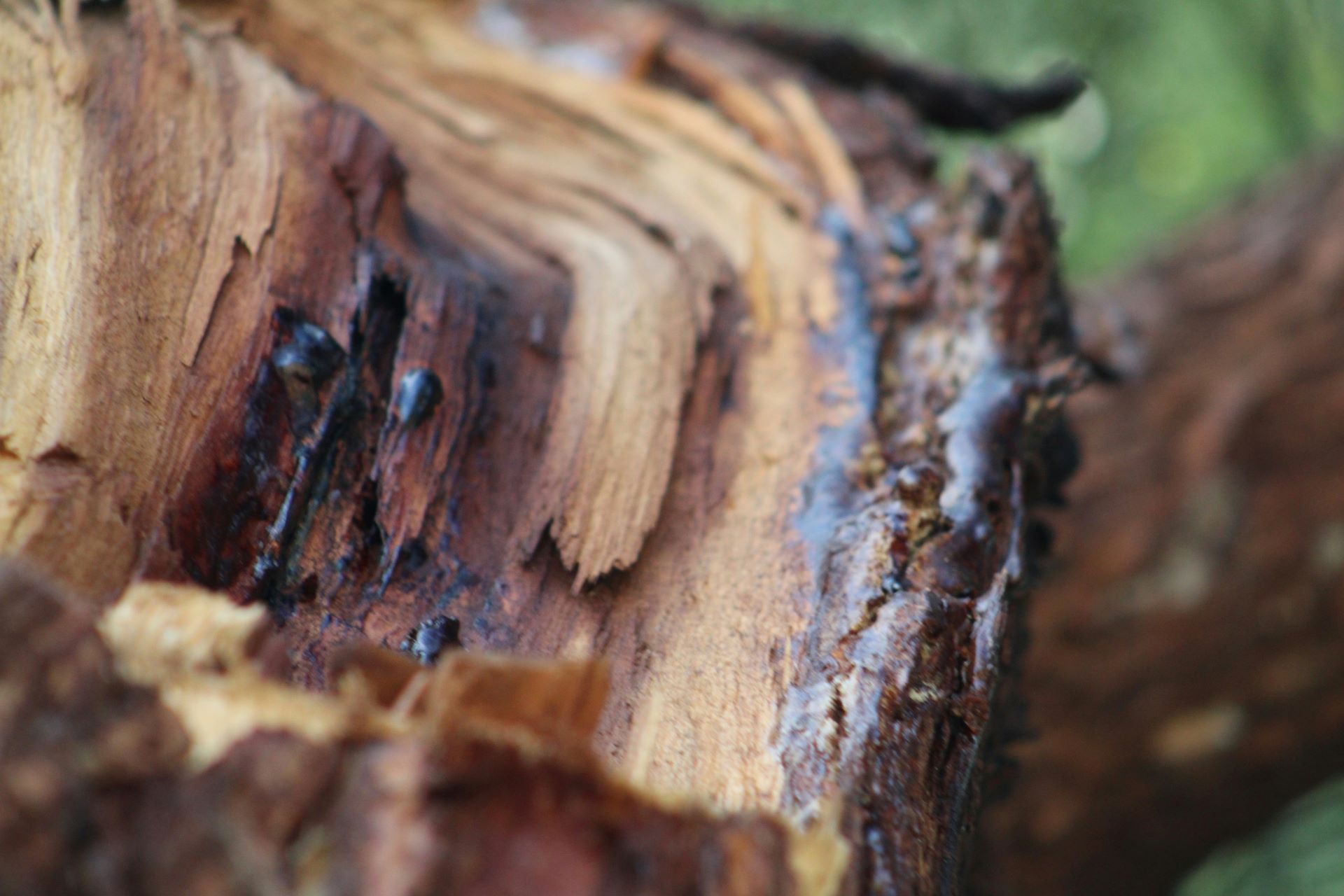
Managing Termite Damage in Wooden Components
Understanding Termite Risk in South African Buildings
Termite infestation is one of the quietest structural threats facing wooden construction elements in South Africa. The country’s generally warm climate, particularly in coastal and lowland regions, creates an environment where termites thrive almost year-round. Unlike dramatic structural failures caused by storms or fire, termite damage develops slowly, like a patient eater gnawing away inside the bones of a building.
Many homeowners and maintenance teams only discover the problem after visible damage appears. By that stage, the infestation has often spread through hidden cavities inside timber beams, roof trusses, or window frames.
Termites are social insects that operate in large colonies. Worker termites do most of the destructive feeding, continuously harvesting cellulose from wood and other plant-based materials used in construction. Because wood is a primary building resource in many residential and commercial structures, understanding termite behaviour is essential for long-term building maintenance.
The most common termite species in the country are subterranean varieties that build underground nests and access wooden structures through mud tunnels. These insects avoid sunlight and open air exposure, which is why infestations are often invisible until serious damage occurs.
Early prevention is always cheaper than repair. Once timber loses structural integrity, replacement becomes expensive and disruptive. For property owners, the goal is not only to kill termites but also to create environmental and structural conditions that discourage infestation from the start.
Why Warm Climates Encourage Termite Infestation
The coastal and inland warm regions of South Africa provide ideal breeding conditions for termites. Heat accelerates insect metabolism, while humidity helps maintain the moisture balance needed for colony survival.
Termites require three basic environmental factors: cellulose food sources, moisture, and protected nesting space. Many construction environments inadvertently provide all three.
Wooden roof structures that are not properly ventilated can trap moisture from cooking steam, rainfall humidity, or groundwater seepage. Damp timber becomes softer and easier for termites to consume. Similarly, exterior wooden decorative elements often absorb environmental moisture if they are poorly sealed.
Urban development patterns also contribute to infestation risk. Construction sites sometimes leave wood scraps buried in soil. These buried cellulose sources act like unexpected buffets for subterranean colonies, allowing populations to grow near residential foundations.
Homeowners should understand that termite risk is not determined only by cleanliness. Even well-maintained properties can experience infestation if structural moisture control is ignored.
In regions with summer rainfall, inspection frequency should increase. After heavy seasonal storms, moisture penetration into wall cavities and timber joints may rise, inviting colonisation.
Early Signs of Termite Activity in Wooden Components
Detecting termite infestation early is like hearing distant chewing sounds inside a quiet house. The signals are subtle but meaningful if someone knows where to listen.
Surface wood blistering is one of the first indicators. Small bubbles or raised patches may appear on painted timber surfaces when internal cavities form. These blisters occur because termites eat the material beneath the protective coating, leaving the paint unsupported.
Another sign is the presence of fine powdery wood dust near window frames, door hinges, or roof joints. This dust, often called frass, is expelled by worker termites as they tunnel through timber.
Hollow sounds are also important. By tapping wooden beams lightly with a tool handle, maintenance personnel can check structural density. Solid wood produces a firm, sharp response, while infested timber sounds muted and empty.
Mud tubes running along foundation walls are clear evidence of subterranean termite movement. These narrow tunnels protect termites from light exposure while allowing them to reach above-ground wood.
Homeowners sometimes mistake termite infestation for natural wood aging. However, natural aging rarely produces active dust discharge or internal tunnelling patterns.
Regular inspections should focus on hidden structural zones such as roof voids, skirting boards, garage wooden supports, and external decorative structures.
Moisture Control as the First Defence
Controlling moisture is arguably the most effective termite prevention method in warm climates.
Water leakage is the invisible invitation card placed at the entrance of many buildings. Even small plumbing leaks can maintain damp soil conditions near foundations. Termites do not need standing water; they only require consistent humidity.
Roof drainage systems must be kept clear of leaf debris and dirt accumulation. Blocked gutters allow water overflow that can seep into wall cavities or timber fascia boards.
External wooden elements should never sit directly against soil surfaces. A small separation gap between ground and timber reduces the probability of colony access.
In coastal cities and humid inland zones, installing proper wall waterproofing membranes is advisable. Capillary moisture rising from foundations can slowly migrate into wooden structures if barriers are absent.
Building maintenance teams should monitor bathroom and kitchen plumbing lines regularly. These interior spaces often generate hidden humidity that travels through walls.
Ventilation is another powerful ally. Roof spaces need airflow pathways that allow moisture to escape instead of condensing on timber surfaces. Passive ventilation openings or mechanical extraction systems can help maintain equilibrium.
Chemical Barriers and Professional Treatment Methods
Chemical termite barriers remain a cornerstone of modern pest defence in construction maintenance.
Soil treatment around building foundations forms a protective ring that discourages subterranean colony migration. Modern termiticides are designed to remain active in soil layers for extended periods.
Application must follow manufacturer guidelines because incorrect dilution or uneven distribution can create weak entry points. Maintenance contractors should ensure continuous barrier coverage rather than isolated treatment patches.
Some building professionals use baiting systems. These involve placing slow-acting toxic cellulose stations near termite trails. Worker termites carry poisoned material back to the colony, gradually reducing population size.
Chemical treatment is particularly important during new construction phases. Once foundation concrete is poured, retroactive soil treatment becomes more complex.
In urban residential zones of Johannesburg, many property managers schedule annual termite chemical inspections due to soil conditions and development density.
However, chemical control should not replace physical building maintenance. It works best as part of a layered defence strategy.
Protective Wood Treatments and Surface Sealing
Wooden building components should be treated before installation whenever possible.
Pressure-treated timber contains chemical preservatives that make cellulose less appetising to insects. This treatment is commonly used for structural roof trusses and outdoor support beams.
For existing wooden surfaces, varnishes and sealants form protective skins that limit moisture absorption. Exterior decorative woodwork benefits significantly from marine-grade sealants that resist rainfall erosion.
When repainting wooden structures, maintenance teams should first sand damaged surfaces lightly to remove microcracks. Cracks are favourite exploration routes for termites searching for soft entry points.
In coastal environments, ultraviolet radiation combined with humidity can degrade protective coatings. Therefore, periodic recoating is necessary.
The maintenance cycle depends on exposure level. External window frames may require resealing every two to three years, while sheltered interior woodwork may last longer.
Homeowners sometimes ignore small coating failures because they appear cosmetic. Unfortunately, cosmetic damage often becomes biological entry infrastructure.
Structural Inspection Techniques for Buildings
Professional building inspection is the backbone of long-term termite management.
Inspection should follow a top-to-bottom philosophy. Roof structures are examined first because infestations often originate from ground access points but manifest higher in the building.
Thermal imaging technology is increasingly used to detect moisture concentration and internal voids inside walls. Temperature irregularities can suggest biological activity or water infiltration.
Manual inspection still remains valuable. Experienced technicians can identify subtle signs such as small exit holes in painted timber or slight warping of structural panels.
In multi-storey residential buildings, inspection should include shared wall cavities and service ducts.
Building managers should maintain inspection records over time. Comparing annual data helps detect slow infestation expansion.
If any structural load-bearing beam is suspected of damage, professional engineering assessment is necessary before deciding whether repair or replacement is required.
Repairing Damaged Wooden Components
When termite damage is discovered, the first step is colony elimination. Repairing wood while infestation continues is similar to patching a boat while sharks circle below the water.
Once treatment is completed, damaged timber sections must be evaluated for structural strength.
Minor surface damage may be repairable using epoxy wood fillers. These materials restore surface continuity and can be sanded and painted after curing.
However, if internal tunnelling has reduced cross-sectional strength, replacement is safer. Structural wood elements should never be patched if load-bearing capacity is uncertain.
Roof truss damage is especially serious. Failure of a single support member can redistribute weight stress across the roof frame.
During repair work, contractors should also search for hidden colonies inside adjacent wooden components. Termites rarely confine themselves to one isolated location.
Preventing Reinfestation After Treatment
Post-treatment maintenance is just as important as initial control.
Cleaning debris around foundations removes potential food sources. Dead branches, construction scraps, and buried wood fragments should be removed from soil areas surrounding buildings.
Regular repainting of wooden exterior structures maintains protective chemical layers.
Property owners should avoid stacking firewood directly against building walls. Stored wood can become a secondary colony nursery.
Landscaping design also plays a role. Garden irrigation systems should not continuously saturate soil near wooden structures.
In regions with heavy seasonal rainfall, drainage slopes around buildings should direct water away from foundations.
Monitoring should continue even after successful treatment. Termite colonies are resilient biological networks capable of rebuilding populations if conditions improve.
Working with Professional Pest Control Services
While some minor maintenance can be performed by property owners, serious infestations require professional intervention.
Certified pest control technicians understand colony behaviour patterns and treatment chemistry. They also possess specialised detection equipment.
When selecting service providers, property managers should verify treatment warranties, chemical certification, and follow-up inspection schedules.
In large residential complexes or commercial buildings, integrated pest management contracts are often more cost-effective than one-time treatment.
Communication between maintenance teams and pest control professionals is essential. Structural changes, plumbing repairs, or landscaping work can influence infestation risk.
Long-Term Maintenance Culture for Wooden Buildings
Managing termite risk is not a single event but a continuous maintenance philosophy.
Building owners should adopt a seasonal inspection rhythm. Spring and early summer are particularly important monitoring periods in many parts of South Africa.
Maintenance checklists should include roof cavity inspection, moisture measurement, wood surface coating evaluation, and foundation perimeter observation.
Education of occupants is also valuable. Residents should report unusual dust accumulation, hollow sounds in walls, or unexplained wood deformation.
Technology is gradually improving early detection capability, but human awareness remains irreplaceable.
Termites are not sudden structural destroyers but persistent biological engineers carving invisible tunnels through vulnerable timber. In warm climates, especially across South Africa, vigilance is the most powerful defence.
Early detection, moisture control, chemical barriers, and regular inspection work together like layers of a protective shell around wooden structures. Property owners who invest in maintenance culture will find that termite management is far less expensive than structural reconstruction.
Wooden building components can remain durable and visually pleasing for decades if treated with respect, science, and consistent care. The battle against termites is ultimately a battle for patience and precision rather than brute force.
When maintenance teams watch for the smallest signs and act before infestation spreads, timber structures can stand quietly strong against the slow, hungry rhythm of nature.
Managing Termite Damage in Wooden Components – Final Thoughts
Protecting wooden building elements in warm environments is an ongoing responsibility for property owners, contractors, and maintenance professionals alike.