
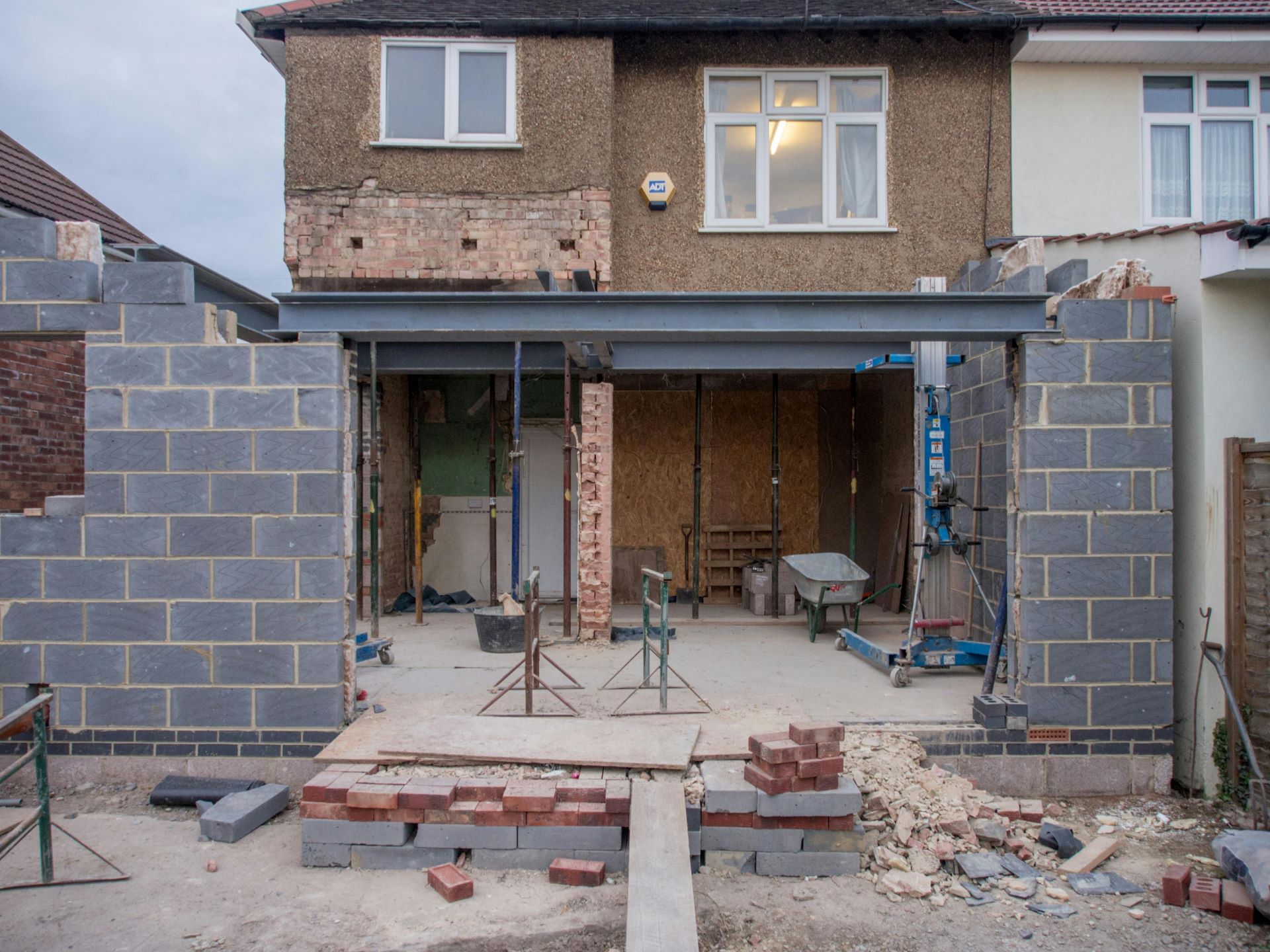
Pest-Proofing Your Property: Construction Tweaks to Keep Rodents Out
Understanding the Importance of Pest-Proofing in Buildings
Rodents and insects are more than a nuisance; they can compromise the integrity of a building and create health hazards. From gnawing through electrical wiring to contaminating food storage areas, pests present risks that extend beyond mere irritation. For property owners and building managers, incorporating preventative construction strategies is essential. Effective pest-proofing is not just about reactive measures like traps or poisons—it’s about designing and maintaining the structure to reduce opportunities for infestations.
A well-planned approach combines structural adjustments, material selection, and ongoing maintenance. Every joint sealed, every gap closed, and every water source controlled contributes to creating an environment that pests find unwelcoming. While pests may adapt to many situations, thoughtful construction tweaks create barriers that make infiltration exponentially more difficult.
Sealing Entrances: The First Line of Defense
Rodents can squeeze through holes as small as a quarter of an inch, while insects often exploit even smaller cracks. Prioritising the sealing of potential entry points is a foundational step in pest-proofing. Pay attention to gaps around doors, windows, utility lines, and vents. Metal flashing, dense caulking, and wire mesh are invaluable tools for reinforcing vulnerable areas.
When designing new buildings, consider raised foundations and well-fitted door thresholds to reduce under-door entry. For renovations, retrofitting doors with weather stripping and securing wall penetrations ensures that even persistent pests find access difficult. A property that is consistently monitored for cracks and wear is less likely to experience recurring infestations, saving time and cost over the long term.
Material Selection and Surface Treatment
The materials chosen for walls, flooring, and insulation significantly influence pest susceptibility. Wood is prone to termite damage, while porous surfaces can harbour insects and rodents. Opting for concrete, treated timber, and metal sheeting in vulnerable areas reduces potential harborage.
Surface treatments such as pest-resistant coatings or sealants also add a protective layer. These treatments can make it harder for pests to establish nests or gnaw through materials. In addition, the careful selection of materials around kitchens, storage rooms, and basements can prevent hidden infestations from taking hold before they are detected.
Structural Tweaks: Designing Out Opportunities
Construction tweaks go beyond material choices. Small design adjustments can have a major impact on reducing pest access and survival. Overhanging eaves, for example, can be closed off with soffit panels to prevent birds and rodents from nesting. Roofline gaps, especially in older structures, can be sealed with metal mesh to block entry points for climbing rodents.
Subfloor spaces and crawl spaces should have adequate ventilation while minimizing openings. Installing rodent-proof vents and maintaining raised flooring with a solid barrier layer prevents ground-dwelling pests from establishing themselves inside the property. Even seemingly minor features, such as the fit of utility conduits or the type of window screens, play a role in reducing vulnerability.
Water Management and Moisture Control
Pests are attracted to water sources. Leaking pipes, poorly draining gutters, and stagnant pools in low-lying areas invite insects and rodents alike. Proper drainage design, timely gutter cleaning, and sloping landscaping away from the building help remove these attractants.
Inside the property, ensuring that bathrooms, kitchens, and laundry areas are properly sealed and ventilated reduces moisture accumulation that insects, particularly cockroaches and termites, thrive on. Installing drainage channels in basements or beneath slab foundations can prevent moisture-related infestations from developing unseen.
Landscape and Perimeter Considerations
The property perimeter plays a crucial role in pest-proofing. Dense vegetation, mulch, and debris placed too close to the building provide hiding spots for rodents and insects. Maintaining a clear buffer zone of at least 30–50 centimeters between the structure and surrounding plants discourages pest access.
For new constructions, consider paved walkways or gravel borders to create natural barriers. External lighting can also be strategically placed to reduce nocturnal insect activity near entry points. Even fencing materials can influence pest control, with fine mesh barriers deterring climbing rodents while leaving airflow unobstructed.
Ventilation and Airflow Design
Airflow management is often overlooked in pest prevention. Well-ventilated attics, basements, and roof spaces prevent the stagnation of air that insects prefer. Installing screened vents ensures airflow without creating entry points for pests.
HVAC systems should be fitted with fine mesh filters at all inlets and outlets. Poorly designed or neglected ventilation can inadvertently create channels that pests exploit, particularly for insects capable of flight or crawling through ducts. By integrating airflow considerations into both new designs and renovation plans, property owners gain an added layer of protection against infestations.
Ongoing Maintenance as Pest Prevention
Construction tweaks alone are not sufficient; regular maintenance solidifies their effectiveness. Routine inspections for cracks, gaps, and signs of water leakage, along with timely repairs, prevent minor issues from escalating into full-scale infestations.
Property owners should maintain a consistent schedule for checking and sealing potential entry points, cleaning gutters, trimming vegetation, and inspecting subfloor and roof spaces. Establishing a maintenance protocol ensures that pest-proofing is proactive rather than reactive, reducing long-term costs and preserving the structural integrity of the building.
Integration with Building Management Practices
For commercial properties or multi-unit residential buildings, pest-proofing should integrate with broader management practices. Coordinating with cleaning staff, maintenance teams, and contractors ensures that construction tweaks are respected and reinforced in daily operations.
Documentation of inspections, repairs, and pest-proofing measures provides a record that supports ongoing compliance and accountability. For property managers, combining structural adjustments with operational diligence creates a comprehensive defense system, keeping occupants safe and reducing liability risks.
Strategic Construction for Long-Term Pest Control
Pest-proofing is as much about foresight as it is about construction. By addressing structural vulnerabilities, selecting appropriate materials, managing moisture, and maintaining a disciplined inspection routine, property owners can significantly reduce the risk of infestations.
Every construction tweak—whether sealing a tiny gap, reinforcing a vent, or adjusting landscape design—contributes to a resilient property. When integrated into regular maintenance schedules, these strategies not only protect the building and its occupants but also enhance long-term property value. In the battle against pests, strategic construction combined with vigilant upkeep is the most effective, sustainable solution.