
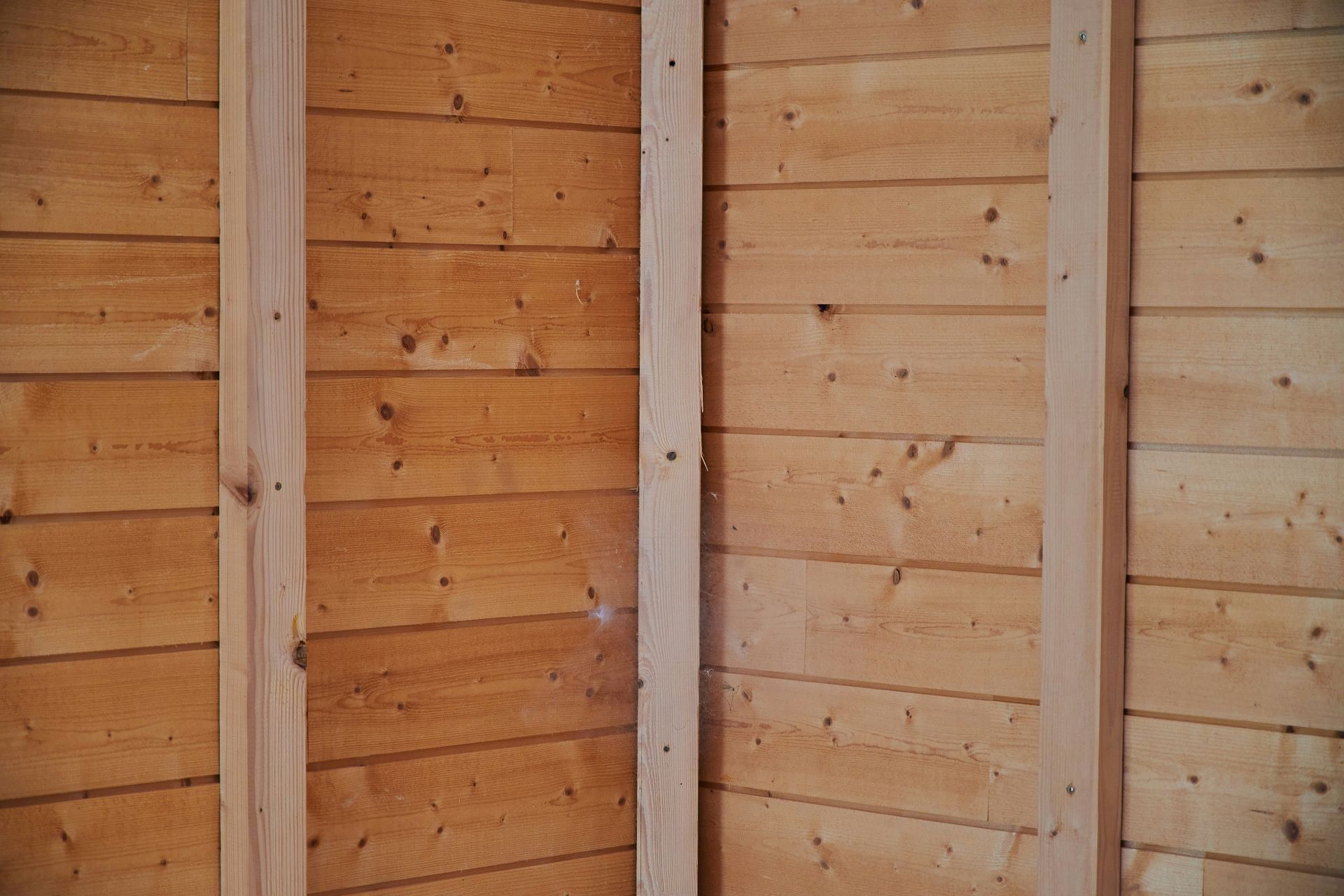
SA Exterior Wood Cladding: Expert Care and Maintenance
Why Exterior Wood Cladding Needs Attention
In South Africa, where the sun can scorch and the rain can lash with equal intensity, exterior wood cladding faces relentless exposure. Wood, a natural material prized for its beauty and warmth, is also vulnerable to environmental wear. Over time, unprotected cladding will fade, warp, crack, or even rot, threatening both the aesthetics and structural integrity of a building. Homeowners, architects, and builders must understand that maintaining exterior wood is not optional—it is a critical part of long-term property care.
Regular maintenance of wood cladding is more than a cosmetic exercise. It safeguards your investment, prolongs the lifespan of the material, and ensures that your property remains visually appealing. South Africa's diverse climate, from the arid Karoo to the humid coastal regions of KwaZulu-Natal, means that maintenance strategies must be tailored to local conditions. A one-size-fits-all approach will often leave sections of wood vulnerable, especially in areas prone to heavy rainfall or prolonged sun exposure.
Understanding the Effects of Sun and Rain on Wood
Sunlight and moisture are the primary culprits behind wood degradation. Ultraviolet (UV) rays from the sun gradually break down lignin, the natural adhesive in wood, causing the surface to weaken and fade. This fading is often accompanied by surface checks—small cracks that compromise the wood’s protective layer. Left untreated, these cracks allow moisture to penetrate deeper, accelerating decay.
Rain, particularly in regions with frequent storms or high humidity, can be equally destructive. Water seeping into the wood triggers swelling and contraction cycles, leading to warping and splitting. Prolonged exposure may also create ideal conditions for fungal growth, mould, and mildew. The combination of sun and rain, therefore, is a relentless cycle of damage that will accelerate deterioration if protective measures are neglected.
Selecting the Right Wood for Your Climate
Before considering maintenance, it is crucial to choose the appropriate type of wood for your South African property. Hardwoods such as teak, meranti, and cumaru are naturally more resistant to decay and insect attack, making them suitable for harsh environments. Softwoods like pine or cedar are aesthetically pleasing and more affordable but require diligent treatment to withstand environmental stresses.
Beyond species selection, sourcing quality, kiln-dried timber is essential. Wood with high moisture content at installation is prone to immediate shrinkage and warping, undermining maintenance efforts. Partnering with reputable suppliers who provide well-seasoned timber ensures a solid foundation for long-term cladding performance.
Sealing: The First Line of Defence
Sealing exterior wood cladding creates a barrier that prevents water ingress and shields against UV rays. Penetrating sealers are particularly effective, as they soak into the wood fibres and provide protection from within, rather than merely coating the surface. These sealers also maintain the natural appearance of the wood, highlighting its grain and colour.
Application requires a clean, dry surface. Any dirt, dust, or old finishes should be removed before treatment. In coastal areas, where salt-laden winds can corrode finishes, sealers may need to be reapplied more frequently—typically every 12 to 18 months. In drier inland regions, this interval may extend to 24 months, but regular inspection remains essential.
Painting: Aesthetic and Protective Benefits
Painting exterior wood adds an additional layer of protection while offering the opportunity to enhance the property’s appearance. High-quality, weather-resistant paints act as a barrier against both moisture and sunlight. South African paint manufacturers often recommend acrylic-based products for exterior timber, as they provide flexibility to accommodate wood expansion and contraction without cracking.
Preparation is critical. Surfaces must be sanded smooth and primed with a compatible undercoat to ensure adhesion and durability. Multiple thin coats of paint outperform a single thick coat, allowing the finish to settle evenly and resist peeling. Periodic touch-ups, especially on areas exposed to the harshest weather conditions, prevent minor damage from escalating into structural concerns.
Moisture Management and Drainage
Beyond sealing and painting, managing moisture around wood cladding is essential. Gutters, downpipes, and roof overhangs should be designed to prevent water from cascading onto walls. Splashback from garden beds or paved areas can be mitigated with proper grading and drainage channels.
Ventilation behind the cladding also plays a critical role. Airflow reduces trapped moisture, helping the wood dry quickly after rainfall. Installing a small gap between the cladding and the building envelope—commonly referred to as a rainscreen—enhances this effect, reducing the risk of mould and rot while allowing timber to expand and contract naturally.
Regular Inspection and Preventive Maintenance
A robust maintenance program begins with regular inspections. Homeowners and builders should look for early signs of deterioration: discolouration, surface checking, warping, or fungal growth. Minor repairs at this stage—such as filling small cracks with wood putty or sanding rough spots—can prevent larger, costlier interventions later.
Cleaning the cladding with gentle detergents or specialized wood cleaners removes surface dirt and mildew, ensuring that sealers or paints adhere properly. Avoid high-pressure washing, which can erode the wood fibres and compromise protective finishes. Establishing an annual or bi-annual maintenance schedule, tailored to local climate conditions, significantly extends the life of exterior wood cladding.
Addressing Damage: Repair and Replacement
Despite best efforts, damage can occur. Early intervention is key to preventing structural failure. Small splits or rot-affected sections may be repaired with epoxy fillers or treated timber patches. Extensive decay, however, necessitates full panel replacement. South African construction professionals often emphasize matching wood species and finish to maintain visual consistency and structural compatibility.
For high-risk areas, consider protective add-ons such as overhangs, awnings, or cladding in combination with alternative materials like fibre cement boards that mimic timber. These solutions reduce direct exposure to harsh elements while preserving the aesthetic appeal of natural wood.
Sustainability and Longevity Considerations
Selecting sustainably sourced timber and using eco-friendly sealers and paints aligns with global and local environmental standards. Products certified by the Forest Stewardship Council (FSC) or South African equivalents support responsible forestry practices.
Long-term investment in quality materials, protective finishes, and preventive maintenance not only enhances the building’s appearance but also reduces waste and replacement costs. In South Africa, where extreme weather can fluctuate dramatically, a proactive approach ensures cladding remains resilient for decades.
Protect Your Investment
Exterior wood cladding offers timeless beauty, warmth, and character to South African buildings. Yet, without deliberate care, the sun and rain can quickly erode its integrity. Sealing, painting, moisture management, and regular inspections are not optional tasks—they are essential strategies to preserve both aesthetics and structure. By investing in proper maintenance, homeowners and builders protect their investment, ensuring that timber remains a sustainable and visually compelling feature for years to come.