Safe Ladder and Roof Access: Preventing Maintenance Injuries in South Africa
Safe Ladder and Roof Access During Maintenance in South Africa
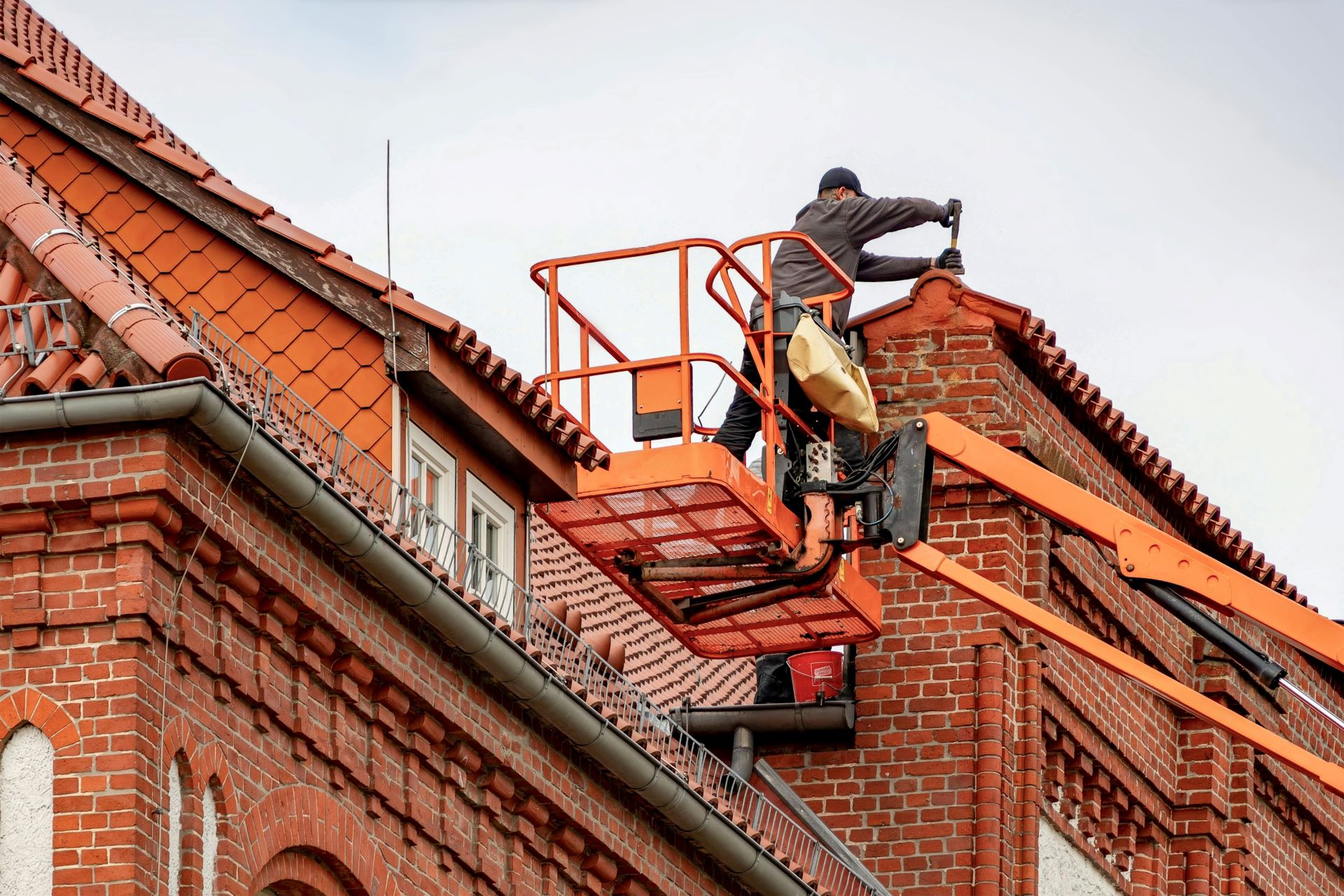
Maintenance work on buildings often carries an invisible kind of danger. It is rarely the dramatic collapse of a structure or the catastrophic failure of heavy machinery that causes the majority of injuries during routine property upkeep. Instead, the hazard grows quietly inside the confidence people develop when performing familiar tasks such as replacing a broken roof tile, cleaning gutters, or inspecting waterproofing layers. These are activities that appear simple on the surface but can become dangerous when access routes are poorly designed or when safety systems are ignored.
Across residential estates, commercial towers, and industrial facilities in South Africa, maintenance teams frequently rely on ladders and temporary rooftop movement to complete repairs. In coastal cities like Durban, where humidity, salt air and seasonal storms accelerate material wear, maintenance work is a constant operational requirement rather than an occasional event. Roof sealants crack faster under thermal expansion, metal components corrode more quickly, and wind-driven rain can expose structural vulnerabilities that demand repair.
The risk during maintenance work is often psychological as much as physical. Workers who have climbed the same ladder repeatedly may develop a sense of comfort that slowly weakens their attention to detail. Yet gravity does not become more forgiving with experience. A fall from even a relatively low height can result in serious head injuries, spinal trauma, or long-term disability.
South Africa’s construction and property management sectors are governed by workplace safety legislation that places responsibility on employers and property owners to provide safe working environments. Compliance with the Occupational Health and Safety Act is not simply a legal requirement but a practical framework for preventing predictable accidents. Hazard identification and risk assessment should therefore be completed before maintenance operations begin rather than after equipment has already been deployed.
Time pressure is one of the most common enemies of safety during maintenance projects. When a roof leak is discovered during the rainy season or when a damaged gutter threatens water ingress into a commercial building, the instinct is often to send someone up quickly with a ladder and start repairing the problem immediately. While urgency is understandable, rushing maintenance work is often the quiet precursor to injury. Maintenance operations are not emergencies unless there is immediate structural risk to human life, and even then controlled safety procedures should remain in place.
Workers performing maintenance also tend to underestimate secondary environmental hazards. Rooftop surfaces can become dangerously slippery when morning dew settles on metal sheets, especially on coastal buildings where humidity levels are high. Dust accumulation, algae growth, or thin layers of wind-blown sand can reduce friction and destabilise a person standing on an inclined surface. Wind conditions along tall buildings in Durban can also produce sudden shifts in balance that catch workers unexpectedly. Safety therefore requires constant awareness of surroundings rather than simple reliance on physical equipment.
Anchoring Points as the Foundation of Fall Prevention
One of the most effective engineering controls for preventing falls during maintenance work is the installation of secure anchoring points. An anchoring point functions as a fixed structural location where a worker’s safety harness can be attached while working at height. The purpose of such systems is to ensure that if balance is lost, the harness will arrest the fall before serious injury occurs.
The ideal approach is to integrate anchoring infrastructure during the original construction of a building. Retrofitting anchor systems after a structure is completed is often more expensive and can sometimes create structural complications if mounting locations are not carefully evaluated. Forward planning during the architectural design phase allows engineers and contractors to position anchor systems where maintenance movement is expected to occur.
Modern commercial and residential buildings should consider installing anchoring points near roof entry hatches, around mechanical installations such as air-conditioning units, and along ridge lines where workers are likely to walk when inspecting roof integrity. In high-rise structures, maintenance movement is usually predictable because serviceable equipment is typically located in similar zones across floors.
Anchoring hardware must be manufactured and tested according to recognised safety standards. Corrosion resistance is particularly important in coastal regions of South Africa where airborne salt particles accelerate metal deterioration. Even a structurally strong anchor point can become unsafe if rust weakens mounting bolts or if protective coatings are damaged over time.
Maintenance teams should also treat anchoring equipment as living infrastructure rather than static installations. Before every maintenance operation, workers must visually inspect connection points for signs of wear. Small defects such as loose fasteners, cracked waterproofing seals around mounting plates, or discoloration caused by oxidation can signal deeper structural weakness. Equipment that shows uncertainty should not be used until certified inspection and repair have been completed.
Fall Protection Systems Beyond the Safety Harness
There is a common misunderstanding that fall protection simply means wearing a harness while working at height. While harnesses are essential safety devices, they are only one layer of a much broader protection environment.
Effective fall protection is built from the interaction between engineering controls, administrative management, and personal protective equipment. Engineering controls are the physical safety structures embedded into the building or workplace environment. These controls reduce risk by limiting exposure to dangerous movement rather than relying solely on worker behaviour.
Roof guardrails and permanent walkway platforms are examples of engineering controls that can dramatically reduce injury risk. Walkway surfaces should ideally be constructed using non-slip materials because metal roofing sheets become particularly dangerous when wet. Installing dedicated maintenance walkways prevents workers from walking directly across vulnerable roofing panels that were not designed to support concentrated human weight.
Administrative control involves operational decision-making. Maintenance supervisors should schedule elevated work during periods when weather conditions are favourable. Access to rooftops should be restricted to trained personnel only, and supervision should be present whenever teams are working near open edges or unstable surfaces.
Personal protective equipment remains the final barrier of defence. Safety harnesses must be fitted correctly to each worker because poorly adjusted equipment can shift during a fall and reduce arrest effectiveness. Chest straps that are too loose may allow the body to invert during sudden movement, increasing the risk of neck injury. Leg straps that are too tight can restrict circulation and cause discomfort that distracts workers from their task.
Training is an essential companion to equipment. Workers must understand not only how safety devices are used but why they are necessary. When employees grasp the physical logic behind protection systems, compliance tends to improve because safety becomes a rational behaviour rather than a forced requirement.
In multilingual working environments across South Africa, safety training must be communicated clearly using both verbal instruction and visual demonstration. Technical terminology should be simplified without removing accuracy so that every team member understands operational expectations.
Building Design and Maintenance Accessibility
Modern construction philosophy increasingly recognises that maintenance is not an external activity but an extension of a building’s life cycle. Structures that are difficult to maintain tend to accumulate risk over time because workers are forced to improvise access methods.
During the design phase of commercial and residential buildings, architects and engineers should think about how people will reach mechanical systems, roofing components and drainage structures many years after construction is completed.
Urban centres such as Durban face unique environmental conditions that influence maintenance safety design. High humidity accelerates corrosion of metal fixings, while coastal winds create unpredictable air movement around tall structures. Buildings exposed to these conditions require access systems that are both durable and flexible enough to accommodate long-term wear.
Internal roof hatches with secure locking mechanisms can provide safer entry routes than external ladder climbing. Fixed ladder installations should ideally include protective cages or alternative restraint systems where vertical height justifies additional protection. Elevated edge barriers are particularly important in zones where maintenance workers may need to stand close to roof boundaries.
Surface selection also plays a major role in safety performance. Smooth roofing sheets are difficult to traverse when moisture is present. Maintenance walkways constructed from textured composite materials can significantly improve traction and reduce slipping incidents.
The increasing installation of solar energy systems across South Africa introduces new maintenance challenges. Photovoltaic panels must be serviced periodically, and wiring configurations should be designed to allow safe movement between mounting structures. Poorly planned cable routing can create tripping hazards or expose workers to unnecessary electrical contact risk during inspection.
Weather Conditions and Operational Timing
Weather monitoring should be treated as a safety tool rather than a background administrative task. Coastal South African weather patterns can shift quickly, and maintenance teams should never assume that conditions will remain stable throughout the working day.
Wind speed is particularly important when workers are operating on elevated surfaces. Strong gusts can destabilise balance even when workers are wearing harnesses because sudden lateral movement places strain on the human body’s natural equilibrium system. If wind conditions become unpredictable, maintenance operations should be temporarily suspended.
Temperature also influences safety performance. High summer temperatures can lead to dehydration, fatigue, and reduced cognitive alertness. When workers become tired, they are more likely to misjudge ladder positioning or ignore small warning signs of equipment stress.
Providing shaded rest areas and ensuring consistent hydration access is not simply a comfort measure but a physiological safety strategy. Maintenance schedules should ideally avoid peak heat periods when possible.
Safety Culture as the Invisible Infrastructure
Technology and equipment alone cannot eliminate workplace accidents. The most sophisticated harness system or access platform becomes ineffective if human behaviour undermines its purpose.
A strong safety culture is built through repetition and leadership example. Supervisors and managers must demonstrate correct safety behaviour consistently. When leadership personnel climb ladders without harness protection, workers interpret the behaviour as tacit permission to do the same.
Short safety briefings before maintenance operations can reinforce awareness without consuming excessive working time. Even five minutes of focused discussion can remind teams about hazard locations, anchor point verification, and emergency response procedures.
Emergency preparedness is especially important in urban South African environments where traffic congestion may affect ambulance response times. Maintenance teams should always know how to contact medical assistance quickly and should have basic first aid knowledge available on site.
Economic Value of Preventing Maintenance Injuries
Workplace safety is sometimes incorrectly framed as a financial burden. In reality, prevention of maintenance injuries is usually more economical over the long term.
When a worker is injured during roof or ladder maintenance, the costs extend far beyond immediate medical treatment. Businesses may face production delays, compensation claims, regulatory investigations, and reputational damage. Clients and tenants may also lose confidence in property management quality.
Installing proper access infrastructure during initial construction is typically cheaper than retrofitting safety solutions after a building has been completed. Developers operating in competitive South African commercial markets can gain long-term advantage by integrating maintenance safety into design philosophy from the beginning.
The underlying economic principle is simple. Preventing a fall costs less than responding to the consequences of one.
Regulatory Responsibility in South Africa
Property owners and employers hold legal responsibility for providing safe working conditions during maintenance operations in South Africa. The country’s occupational safety framework prioritises hazard prevention rather than post-incident compensation.
Failure to implement adequate safety measures can lead to regulatory penalties and legal liability. However, the ethical dimension of safety compliance is even more important than the legal one.
Buildings are more than physical assets. They are environments where people live, work, and move daily. Maintenance safety therefore represents a commitment to human dignity as much as engineering quality.
Future Directions in Maintenance Safety Technology
Maintenance safety continues to evolve alongside technological innovation. Drone-based inspection systems are becoming increasingly common because they allow preliminary roof assessment without requiring human access to dangerous surfaces.
Smart building monitoring systems are also emerging. These systems can track structural stress patterns, corrosion development, and environmental exposure over time.
Wearable safety technology may play a larger role in the future. Sensors capable of monitoring worker fatigue, movement stability, and fall acceleration could provide early warning signals before accidents occur.
South African construction and property management companies that adopt these technologies early may improve operational safety while gaining competitive efficiency advantages.
Safety Begins Before the Ladder Moves
Safe maintenance work is not created at the moment a worker steps onto a ladder or clips a harness to a hook. Safety is formed much earlier, inside design decisions, operational planning, and organisational culture.
Simple maintenance tasks should never be treated as simple safety tasks.
By installing reliable anchoring infrastructure, designing buildings for long-term access, respecting environmental conditions, and training workers properly, South African property managers and construction companies can significantly reduce maintenance injury rates.
Maintenance work keeps buildings functional and operational. Yet the people who perform that work are far more valuable than any structure they service. When safety is built into the foundation of construction, every future repair becomes not only possible but quietly protected by thoughtful engineering.