Structural Steel vs Reinforced Concrete in SA Builds
Two Giants of South African Construction
Walk onto almost any major construction site in South Africa and you’ll see the same quiet rivalry unfolding in steel beams and concrete pours. On one side, structural steel rises like a skeletal city before the skin goes on. On the other, reinforced concrete grows slowly, slab by slab, column by column, like a structure being carved out of stone.
Both materials dominate modern construction in South Africa, from high-rise developments in Johannesburg’s financial districts to industrial warehouses in Durban, and residential complexes stretching across Cape Town’s suburbs. Yet they are not interchangeable. Each comes with its own logic, behaviour, cost profile, and ideal use case.
Understanding the difference is not just an academic exercise. It affects project timelines, budgets, structural safety, maintenance planning, and even architectural freedom.
This article unpacks structural steel and reinforced concrete in the South African context, focusing on strength, cost, and practical application in real-world building environments.
The Nature of Structural Steel in Construction
Structural steel is essentially manufactured strength. It is produced in controlled industrial environments, where iron is alloyed with carbon and other elements to create predictable performance characteristics.
In South Africa, structural steel is widely used in commercial buildings, warehouses, mining infrastructure, stadiums, and long-span roofing systems. Its appeal lies in its high strength-to-weight ratio and its ability to carry significant loads without requiring bulky structural elements.
Steel behaves in a very predictable way under stress. It stretches before it fails, which gives engineers warning signs before structural collapse. This ductility is one of its greatest safety advantages, particularly in dynamic loads such as wind or seismic activity.
Another defining feature is speed. Steel structures are typically prefabricated off-site and assembled quickly on-site. In a country where construction delays can escalate costs rapidly, this efficiency is a major advantage.
However, steel is not without vulnerabilities. Corrosion is a significant concern, especially in coastal regions like Durban and parts of the Eastern Cape. Without proper protection such as galvanising or paint systems, steel can degrade over time.
Fire resistance is another consideration. Steel loses strength at high temperatures, which means fireproofing measures are essential in most buildings.
The Nature of Reinforced Concrete in Construction
Reinforced concrete is the slow, deliberate counterpart to steel. It combines concrete’s compressive strength with steel reinforcement bars (rebar) that handle tensile forces.
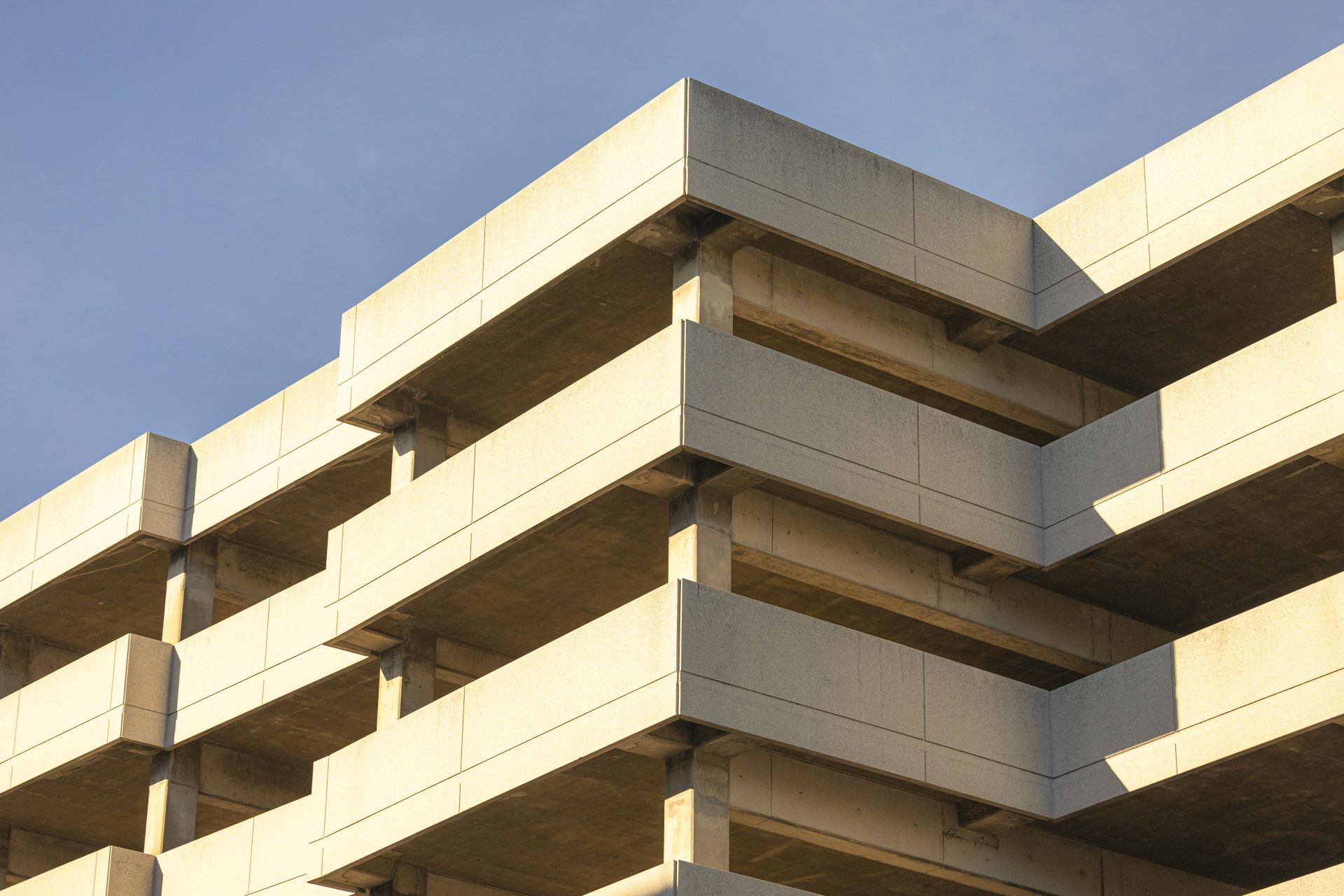
In South Africa, reinforced concrete is the backbone of most residential buildings, bridges, water treatment facilities, road infrastructure, and multi-storey parking structures. It is also heavily used in affordable housing developments due to material availability and cost stability.
Concrete is formed on-site or in precast elements, poured into formwork, and allowed to cure over time. This curing process is critical, as it determines the final strength of the structure.
Unlike steel, reinforced concrete excels in compression. It can carry heavy vertical loads with ease, making it ideal for foundations and load-bearing walls.
It also performs exceptionally well in fire resistance. Concrete does not burn, and it maintains structural integrity under high temperatures for longer periods than steel.
Durability is another major advantage. Properly designed and constructed reinforced concrete structures can last decades with minimal maintenance, even under harsh environmental conditions.
However, concrete construction is time-intensive. The curing process cannot be rushed, and poor workmanship can lead to long-term issues such as cracking, water ingress, or reinforcement corrosion.
Strength Comparison: How They Behave Under Load
Strength in construction is not a single measurement. It depends on how a material behaves under different types of force: compression, tension, bending, and dynamic loading.
Structural steel is exceptionally strong in both tension and compression. This makes it highly efficient for long-span structures like bridges or large industrial roofs. It bends before it breaks, offering clear warning signs under excessive load.
Reinforced concrete, by contrast, is strongest in compression. The embedded steel reinforcement compensates for its weakness in tension, creating a composite material capable of handling complex load conditions.
In practical South African construction terms:
• Steel is preferred for long spans, high-rise frames, and fast-track commercial builds
• Reinforced concrete is preferred for foundations, residential structures, and heavy-load infrastructure
Wind loads in coastal cities like Cape Town also influence material choice. Steel structures can flex slightly under wind pressure without failing, while concrete structures resist movement but require careful design to avoid cracking.
Seismic considerations in South Africa are generally moderate, but steel’s ductility gives it a slight advantage in energy absorption during ground movement.
Cost Dynamics: Initial vs Lifecycle Investment
Cost is often the deciding factor in material selection, but it is rarely as simple as comparing price per ton or cubic metre.
Structural steel typically has a higher upfront material cost. It also requires skilled fabrication and precision engineering. However, it can significantly reduce construction time, which lowers labour costs and financing overheads.
In fast-moving commercial projects, this time saving can offset the higher material cost.
Reinforced concrete, on the other hand, is generally cheaper in terms of raw materials in South Africa. Cement, aggregates, and rebar are widely available, and local supply chains are well established.
However, concrete construction is labour-intensive and time-consuming. Formwork, curing time, and sequential construction phases extend project timelines.
When evaluating lifecycle cost, the picture becomes more nuanced:
Steel structures may require ongoing maintenance such as repainting, corrosion protection, and fireproofing upkeep.
Concrete structures generally require less frequent maintenance but can be expensive to repair if structural cracking or reinforcement corrosion occurs.
In coastal South Africa, where humidity and salt exposure accelerate corrosion, maintenance costs for steel can increase significantly if not properly managed.
Speed of Construction: Time as a Financial Factor
Time is one of the most underestimated costs in construction.
Structural steel offers a major advantage in speed. Because components are fabricated off-site, on-site assembly is rapid. Large warehouse structures in Gauteng, for example, can often be erected in a fraction of the time required for concrete equivalents.
This speed reduces:
• Labour costs
• Site overheads
• Project financing duration
• Weather-related delays
Reinforced concrete construction is inherently slower. Each stage depends on the previous one curing properly. Slabs, columns, and beams must reach sufficient strength before further work continues.
In South African rainy seasons, especially in summer rainfall regions, concrete curing schedules can be disrupted, causing further delays.
For developers working on tight deadlines, steel often becomes the preferred option simply because time equals financial exposure.
Durability and Environmental Performance
South Africa’s diverse climate conditions place different demands on building materials. From coastal salt air to inland temperature extremes, durability is a critical consideration.
Reinforced concrete performs well in most environments. Its mass and density provide natural resistance to weathering. However, poor construction practices can lead to long-term issues such as carbonation, chloride penetration, and rebar corrosion.
Structural steel requires more active protection. Paint systems, galvanisation, and regular inspections are essential, particularly in marine environments.
When properly maintained, both materials can last for decades. Infrastructure like bridges often combines both systems precisely because each material compensates for the other’s weaknesses.
Environmental performance is increasingly relevant in South African construction. Concrete production has a higher carbon footprint due to cement manufacturing. Steel, while energy-intensive to produce, is highly recyclable.
This creates a sustainability balancing act. Many modern projects now incorporate hybrid designs to optimise both environmental and structural performance.
Architectural Flexibility and Design Freedom
One of steel’s greatest advantages is its ability to create large, open spaces without internal columns. This is particularly valuable in shopping centres, airports, and modern office developments in cities like Johannesburg and Cape Town.
Steel frames allow architects to push boundaries in height and span, enabling more flexible interior layouts.
Reinforced concrete, while less flexible in long-span applications, offers strong performance in sculptural and monolithic designs. It is often used in residential and institutional buildings where solidity and permanence are desired.
Concrete also integrates well with complex formwork systems, allowing for curved or non-standard shapes, though at higher cost and complexity.
In South Africa’s evolving architectural landscape, hybrid structures are increasingly common. Steel provides the skeleton, while concrete provides mass, stability, and enclosure.
Maintenance and Long-Term Performance
Maintenance is where long-term cost realities become visible.
Steel structures require ongoing monitoring for corrosion, especially in coastal or industrial environments. Protective coatings must be maintained, and fireproofing systems inspected regularly.
Concrete structures require less frequent maintenance but are not maintenance-free. Cracking, water ingress, and reinforcement exposure can become serious issues if not addressed early.
In informal or low-maintenance environments, concrete often performs better due to its passive durability.
In high-performance commercial environments, steel’s maintainability is justified by its adaptability and ease of modification. Structural steel buildings can be extended, modified, or repurposed more easily than concrete structures.
Real-World Applications in South Africa
In practice, material selection is driven by project type.
Structural steel dominates:
• Industrial warehouses in Gauteng
• Retail centres requiring open-span layouts
• Mining infrastructure in the Northern Cape
• Commercial office towers in major cities
Reinforced concrete dominates:
• Residential housing developments
• Road and bridge infrastructure
• Water treatment and retention systems
• Low- to mid-rise buildings
Many major infrastructure projects combine both materials. For example, bridges often use steel for spans and reinforced concrete for piers and foundations.
This hybrid approach reflects the reality of South African construction economics: optimisation rather than exclusivity.
The Future: Hybrid Systems and Smarter Design
The future of construction in South Africa is increasingly hybrid.
Engineers are no longer choosing between steel and concrete in isolation. Instead, they are designing systems that use both strategically to maximise performance and reduce cost.
Advanced modelling software, improved material science, and sustainability pressures are driving this integration.
Precast concrete systems combined with steel framing are becoming more common in urban developments. Modular construction techniques also favour steel due to its precision and repeatability.
At the same time, innovations in concrete additives and reinforcement techniques are improving durability and reducing curing times.
The result is not a competition between materials, but a collaboration.
Choosing the Right Material for the Job
Structural steel and reinforced concrete are not rivals in the strict sense. They are tools, each suited to different demands within South African construction.
Steel offers speed, flexibility, and strength over long spans. Concrete offers durability, compression strength, and cost stability.
The real decision is not which material is better, but which is better for the specific conditions of the project.
Climate, budget, timeline, design intent, and maintenance capacity all play a role.
In modern South African construction, the most successful projects are rarely pure steel or pure concrete. They are intelligently blended systems that borrow the best from both worlds, creating structures that are efficient, resilient, and built for the realities of their environment.