
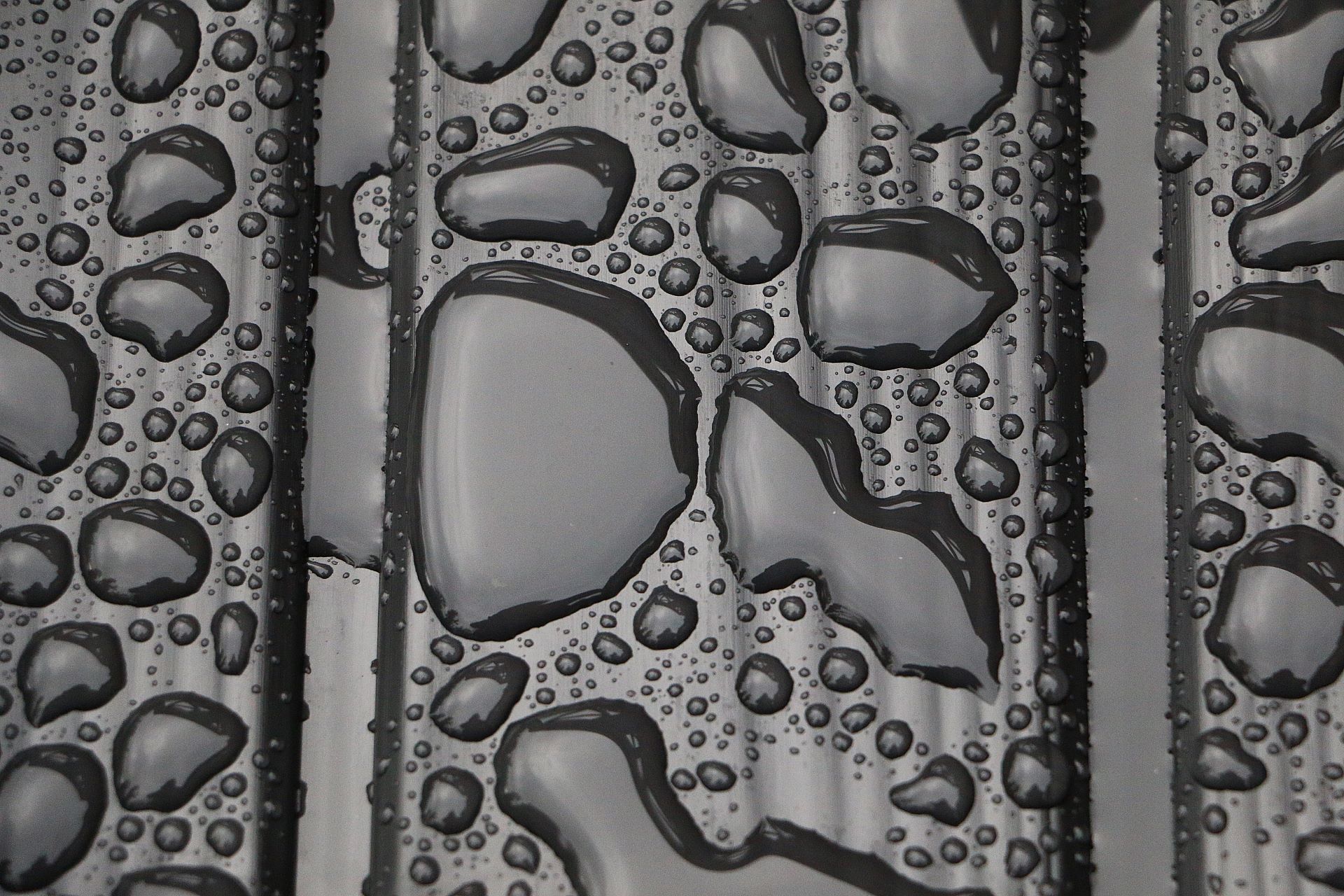
Water Ingress Damage in South African Buildings
A Quiet Trouble That Creeps Like Fog
Well now, I do beg your pardon for sayin’ it so plain, but water ingress is one of them most treacherous foes a buildin’ can face in all of South Africa’s mighty varied climates. It don’t come crashin’ in like a storm all at once, no sir. It seeps, it lingers, it hides itself in corners where even the most diligent inspector might miss.
From the humid coastal belts of KwaZulu-Natal to the dry yet storm-swept Highveld of Gauteng, moisture finds its way in. And once it’s there, it don’t leave easy. It works slow, real slow, like a patient old villain wearin’ down stone, steel, plaster, and timber alike.
What makes it all the more dangerous is its silence. A building may look sturdy, proud even, while inside its bones are softenin’ from repeated exposure to unwanted moisture. This here article aims to take a long, careful look at how that deterioration unfolds over time, especially within the South African construction and maintenance landscape.
The Nature of Water Ingress in South African Conditions
Now, I must humbly confess that South Africa presents a rather peculiar set of challenges when it comes to moisture control in buildings. You’ve got coastal humidity that clings to structures like damp cloth, sudden summer storms that overwhelm drainage systems, and older urban buildings that were never designed with modern waterproofin’ standards in mind.
Water ingress ain’t just one problem, no ma’am. It’s a whole family of issues:
Moisture creeping through roof membranes after UV degradation
Rainwater penetrating cracked external plaster
Rising damp movin’ up through foundations
Plumbing leaks hidden behind walls or beneath slabs
Condensation forming in poorly ventilated interior spaces
Each one behaves differently, yet all of them lead to the same unfortunate outcome: progressive structural deterioration.
And I do apologize if I sound overly cautious, but I must stress this plainly—by the time visible damage appears, the hidden damage has often been at work for months, sometimes years.
Early Stage Intrusion: The Quiet Beginnings
In the earliest stage, water ingress is almost polite in its intrusion. It does not announce itself loudly. Instead, it leaves faint traces that many might dismiss.
A faint discoloration on a ceiling corner after a heavy rainstorm in Johannesburg. A soft musty smell in a coastal apartment in Durban. A slight blisterin’ of paint near a window frame in Cape Town.
These early signs are often mistaken for cosmetic flaws, and herein lies the first great mistake in maintenance practice.
At this stage, the structural materials themselves are usually still sound. But moisture is already beginning to alter their equilibrium.
Plaster begins to absorb water like a sponge. Steel fasteners may begin the earliest stage of oxidation. Timber elements swell ever so slightly, creating micro-stresses at joints.
Nothing catastrophic yet, but the foundation of future decay is already being laid down, quiet as a whisper.
Subsurface Penetration: When the Damage Settles In
As time passes and no corrective action is taken, water ingress moves beyond the surface layer. It begins to settle into the subsurface layers of the building envelope.
In South African residential and commercial construction, this often occurs in poorly sealed masonry walls or inadequately waterproofed flat roofs. Once water breaches these barriers, it travels laterally and vertically, depending on gravity and capillary action.
One might observe paint blistering more frequently, plaster delaminating in patches, or efflorescence forming—those white crystalline deposits that signal salt migration caused by moisture movement.
Now, I do humbly apologize for the plainness of what I am about to say, but at this stage the building is no longer merely “damp.” It is actively absorbing and redistributing water within its structure.
Steel reinforcement in concrete may begin corroding in silence. That corrosion expands, placing internal pressure on the surrounding concrete, leading to micro-cracking that spreads outward like spider veins.
This stage is particularly common in older South African office blocks and residential complexes where maintenance cycles have been delayed or inconsistently applied.
Structural Compromise: The Hidden Weakening
Now we arrive at a stage where matters become far more serious, though still not always visible to the untrained eye.
When water ingress persists unchecked, structural components begin to lose their integrity.
Concrete, which ought to stand firm and unyielding, begins to weaken as internal reinforcement corrodes. Timber framing elements begin to rot, particularly in roof structures and window surrounds. Masonry joints lose cohesion as mortar is gradually washed away or weakened by repeated saturation and drying cycles.
In many South African regions, particularly those with alternating wet and dry seasons, this cycle accelerates deterioration significantly.
One might notice sagging ceilings, hairline cracks widening along load-bearing walls, or uneven flooring caused by substructure movement.
And I do most sincerely beg your pardon for the seriousness of this statement, but once structural compromise begins, repair is no longer a matter of simple maintenance—it becomes remedial construction.
Progressive Deterioration Mechanisms
Now let us take a careful walk through the mechanisms that drive this slow decay.
Water ingress does not act alone. It interacts with environmental conditions, material properties, and construction quality.
Thermal expansion and contraction in South Africa’s varied climate zones can open micro-pathways for water entry. Once moisture is inside, it reduces thermal efficiency, leading to condensation cycles that further exacerbate dampness.
Capillary action draws water upward through porous materials like brick and concrete blockwork. Gravity pulls it downward through slab interfaces and roof structures.
Chemical reactions also begin to occur. Chlorides and sulfates present in certain environments can accelerate corrosion of embedded steel.
In coastal regions such as Durban and the Eastern Cape, salt-laden air significantly worsens this process, while inland thunderstorm regions contribute through sudden saturation events.
It is a slow choreography of deterioration, each step feeding the next.
The Role of Construction Quality in South Africa
Now, I do humbly and respectfully say this, without wishin’ offense to any fine builders or engineers, but construction quality plays a mighty significant role in how water ingress manifests.
In newer developments across South Africa, modern waterproofing systems are often included, but execution quality can vary greatly depending on contractor skill, site supervision, and material selection.
Common shortcomings include:
Inadequate roof slope design on flat roofs
Poor sealing around window and door penetrations
Insufficient damp-proof courses in foundation walls
Low-grade waterproof membranes installed incorrectly
Inconsistent curing of concrete leading to micro-porosity
Each of these issues may seem minor in isolation, but together they create a network of vulnerabilities that water eagerly exploits.
And once that exploitation begins, the deterioration process is not easily reversed.
Environmental Stress Factors Across Regions
South Africa’s diverse climate makes uniform building maintenance strategies difficult.
In Johannesburg and Pretoria, intense summer thunderstorms followed by dry winters create expansion-contraction stress cycles. Buildings breathe, in a manner of speakin’, and any weak seal becomes a gateway for moisture.
In Cape Town, winter rainfall combined with wind-driven rain creates horizontal water penetration that challenges even well-designed façades.
Along the KwaZulu-Natal coast, persistent humidity ensures that once moisture enters a structure, it rarely fully dries out, encouraging biological growth and persistent damp conditions.
Even arid regions like the Northern Cape are not immune. Sudden flash floods and poor drainage can overwhelm foundations that were never designed for such episodic saturation.
Internal Consequences: What Happens Inside the Walls
Inside the structure, water ingress behaves like a quiet invader settlin’ into every available void.
Insulation materials lose effectiveness as they absorb moisture. Electrical conduits may suffer corrosion, leading to intermittent faults. Drywall systems begin to weaken, bow, or crumble under prolonged damp exposure.
Mould growth becomes increasingly likely, particularly in enclosed or poorly ventilated areas. This not only affects building integrity but also indoor air quality.
Timber skirtings, door frames, and ceiling trusses may show signs of fungal decay, often hidden until significant damage has already occurred.
And I do sincerely apologize for the unpleasant imagery, but this stage is where occupants often begin to notice that something is “not quite right,” even if they cannot immediately identify the cause.
Exterior Envelope Failure
The building envelope is meant to be the first and strongest line of defense against moisture intrusion. When it begins to fail, the entire structure becomes vulnerable.
Cracked render, failing sealants, and degraded waterproof coatings are common culprits.
In South African urban environments, pollution and UV exposure further degrade external finishes, reducing their ability to repel water.
Once water penetrates the envelope, it often travels unpredictably. A leak observed in one area may originate several meters away from the visible damage.
This makes diagnosis particularly challenging without proper moisture mapping and diagnostic tools.
Diagnostic Approaches in Modern Maintenance
Now, I do beg your pardon for sayin’ so, but identifying water ingress is not always as simple as a visual inspection.
Modern maintenance practices in South Africa increasingly rely on moisture meters, infrared thermography, and detailed building envelope assessments.
These tools allow professionals to trace the hidden movement of moisture within walls and ceilings, revealing patterns that would otherwise remain invisible.
Progressive deterioration analysis is especially important here, as it helps distinguish between surface-level dampness and deep structural saturation.
Without such analysis, repairs may only address symptoms rather than root causes.
Remedial Construction Interventions
When water ingress reaches advanced stages, remedial construction becomes necessary.
This may include:
Removal and replacement of damaged plaster or drywall
Injection of damp-proofing chemicals into masonry
Roof membrane replacement or re-sealing
Concrete repair and reinforcement treatment
Improved drainage and guttering systems installation
In South Africa, where cost sensitivity is often a major factor in property maintenance decisions, these interventions are sometimes delayed. Unfortunately, delay tends to increase overall repair costs exponentially.
Long-Term Structural Consequences
Over extended periods, untreated water ingress can fundamentally alter the structural behavior of a building.
Load-bearing capacity may be reduced due to corrosion and material weakening. Differential movement can occur as some sections of a building degrade faster than others.
In extreme cases, partial structural failure may occur, though this is typically the result of long-term neglect rather than sudden deterioration.
More commonly, buildings become economically unviable to maintain, leading to major refurbishment or demolition decisions.
And I do most humbly regret to say it, but such outcomes are often entirely preventable with early intervention.
Maintenance Culture and Its Importance
One of the most significant factors in managing water ingress in South Africa is maintenance culture.
Too often, maintenance is reactive rather than proactive. Issues are addressed only once visible damage appears, by which point internal deterioration is already well advanced.
A shift toward scheduled inspections, preventative sealing, and routine waterproofing maintenance can dramatically reduce long-term damage.
Even simple actions such as clearing gutters, checking roof membranes annually, and inspecting plumbing systems can make a profound difference.
The Silent Enemy and the Value of Vigilance
Water ingress is, without a doubt, one of the most deceptive challenges in building maintenance.
It does not announce itself with force or urgency. It works quietly, patiently, and persistently, wearin’ down materials from the inside out.
In the South African context, where climate diversity and construction variability intersect, its effects can be especially pronounced.
But with proper understanding, early detection, and consistent maintenance practices, its impact can be managed and greatly reduced.
And I do sincerely thank you for your patience in readin’ through these reflections. It has been my humble honor to lay out this matter for your consideration, and I remain ever at your service should you require further assistance.