
Weather Risks in South African Construction Projects
Construction projects rarely unfold in perfect conditions. Schedules are carefully planned, materials are ordered months in advance, and labour teams are coordinated across multiple trades. Yet one factor remains beyond human control: the weather.
In South Africa, weather conditions can shift dramatically depending on the region and season. Coastal humidity in Durban, summer thunderstorms in Gauteng, and intense heat in parts of the Northern Cape all present unique challenges for construction projects. These environmental factors influence everything from site preparation and concrete curing to worker safety and equipment performance.
Contractors, engineers and project managers therefore treat weather as a critical risk factor. Successful projects depend not only on technical expertise but also on the ability to anticipate weather patterns and adapt construction practices accordingly.
Understanding how weather impacts construction helps property owners, developers and contractors make better decisions about timelines, materials and site management. It also explains why delays sometimes occur even when planning appears meticulous.
Across South Africa’s construction sector, weather risk management has become a key component of project planning. Careful scheduling, protective measures and flexible work strategies allow teams to continue building safely and efficiently despite unpredictable conditions.
South Africa’s Diverse Climate and Its Impact on Construction
South Africa’s geography creates a wide range of climate conditions that affect construction work. A contractor operating in Cape Town faces different environmental pressures than one working in Johannesburg or Durban.
The Western Cape experiences a Mediterranean climate, with most rainfall occurring during winter months. Construction schedules in the region often need to account for prolonged wet conditions between May and August. Persistent rain can saturate soil, slow excavation work and delay foundation construction.
In contrast, much of the interior, including Gauteng and the Free State, receives the majority of rainfall during summer. Afternoon thunderstorms can appear suddenly, bringing heavy downpours that halt outdoor work and flood construction sites. Lightning risks also require workers to stop using tall equipment such as cranes during storms.
KwaZulu-Natal presents another set of challenges. Coastal humidity and heavy rainfall can influence material storage and structural durability. Steel components may corrode more quickly if not properly protected, while moisture-sensitive materials require careful handling.
Hot, arid regions such as the Northern Cape experience extreme daytime temperatures during summer months. Heat affects both workers and materials, particularly concrete and asphalt. Construction teams must adjust work schedules to prevent overheating and ensure materials perform as intended.
Because climate conditions vary so widely across South Africa, contractors must tailor weather risk strategies to each location. Local knowledge becomes invaluable when planning projects and estimating timelines.
Rainfall and Its Effect on Construction Sites
Rain is one of the most common weather-related disruptions in construction. Even moderate rainfall can halt certain activities and create complications across a building site.
Excavation and foundation work are particularly vulnerable to rain. When soil becomes saturated, it loses stability and may collapse into trenches or foundation pits. This creates safety risks for workers and often requires additional reinforcement or drainage before work can continue.
Wet conditions also make heavy machinery difficult to operate. Construction vehicles such as excavators and trucks rely on stable ground for safe movement. Muddy surfaces reduce traction and increase the likelihood of equipment becoming stuck or causing damage to prepared surfaces.
Concrete work is another area heavily affected by rainfall. Freshly poured concrete requires controlled curing conditions to develop its intended strength. Rain can wash away cement particles from the surface or alter the water-to-cement ratio, potentially weakening the finished structure.
Contractors therefore monitor weather forecasts closely before scheduling concrete pours. If rain is expected, they may postpone the pour or install protective coverings such as plastic sheeting or temporary roofing.
Rain also affects logistics on construction sites. Deliveries of materials may be delayed due to flooded roads or poor driving conditions. Storage areas must be protected to prevent water damage to materials such as timber, insulation or cement bags.
Despite these challenges, construction rarely stops entirely during rainy periods. Experienced teams develop systems for managing water on site, including temporary drainage channels, pumps and raised storage platforms.
The Role of Temperature in Construction Activities
Temperature plays a crucial role in many construction processes. Both extreme heat and unusually cold conditions can interfere with materials and worker performance.
High temperatures are common in many parts of South Africa during summer. These conditions accelerate the evaporation of water from materials such as concrete and mortar. Rapid evaporation can cause cracking, shrinkage and reduced structural strength.
To manage this risk, contractors often adjust construction schedules. Concrete pours may take place early in the morning or later in the afternoon when temperatures are lower. Water spraying and protective coverings can also help slow evaporation and maintain proper curing conditions.
Asphalt work is also temperature sensitive. Road construction crews must apply asphalt within specific temperature ranges to ensure proper compaction and bonding. Excessive heat can soften asphalt surfaces too quickly, while cooler conditions may prevent proper compaction.
Although South Africa rarely experiences severe cold compared to some countries, cooler winter temperatures in inland regions can still influence construction. Concrete curing slows significantly in cold conditions, extending the time required before structures can bear loads.
Temperature fluctuations can also cause materials to expand and contract. Engineers must account for these movements when designing structures, particularly in regions with large daily temperature swings.
Managing temperature-related risks therefore involves both technical planning and practical site management.
Wind and Structural Safety on Construction Sites
Wind is another environmental factor that significantly impacts construction projects. Strong winds can disrupt work activities, damage materials and create dangerous conditions for workers.
Tall structures under construction are especially vulnerable to wind forces. Steel frames, scaffolding systems and partially completed buildings may not yet have their full structural strength. High winds can therefore cause instability if proper bracing and safety measures are not in place.
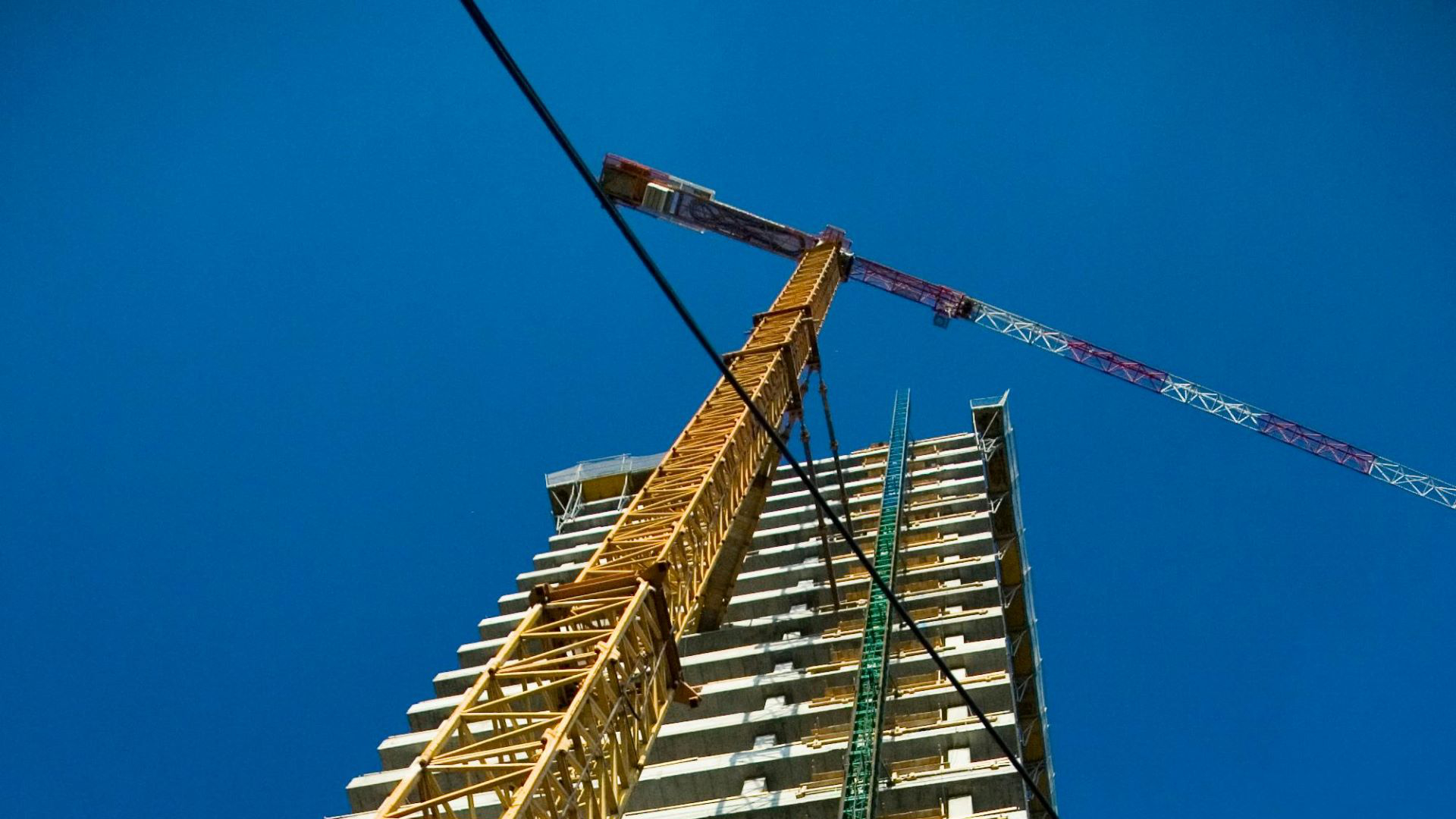
Cranes are among the most wind-sensitive pieces of equipment on construction sites. Tower cranes must stop operating when wind speeds exceed safe limits. Lifting heavy loads during strong winds increases the risk of swinging materials or losing control of suspended loads.
Scaffolding systems also require careful monitoring. Strong gusts can loosen protective sheeting or destabilise temporary platforms. Regular inspections help ensure scaffolding remains secure throughout changing weather conditions.
Wind can also affect the installation of roofing materials and exterior cladding. Large panels or sheets become difficult to handle in gusty conditions, increasing the risk of accidents or improper installation.
In coastal regions such as Cape Town and parts of the Eastern Cape, wind exposure is particularly significant. Contractors often incorporate additional safety protocols and scheduling adjustments to accommodate seasonal wind patterns.
Humidity and Its Influence on Building Materials
Humidity levels influence the performance and durability of many construction materials. In coastal regions of South Africa, high humidity can accelerate certain forms of material degradation.
Steel components exposed to moist air may corrode more rapidly if not properly coated or galvanised. Rust can weaken structural elements and reduce the lifespan of buildings. Protective treatments and regular inspections help prevent this problem.
Timber materials are also sensitive to moisture levels. Wood can absorb humidity from the surrounding air, causing expansion or warping. This is particularly relevant for interior finishes such as flooring and cabinetry.
Contractors therefore ensure timber products are properly acclimatised before installation. Storage areas must remain dry and well ventilated to prevent moisture-related damage.
Paints, sealants and adhesives may also behave differently under high humidity. Drying times can increase significantly, delaying finishing work. Manufacturers often specify acceptable humidity ranges for product application.
Understanding these environmental conditions helps construction teams choose suitable materials and application techniques for each region.
Storms and Severe Weather Events
South Africa occasionally experiences severe weather events that pose significant risks to construction sites. Thunderstorms, heavy winds and flooding can disrupt projects and damage partially completed structures.
Sudden storms may cause scaffolding collapse, material displacement or flooding of excavated areas. These situations create both financial losses and safety hazards.
Project managers therefore develop contingency plans for extreme weather events. Temporary barriers, drainage systems and secure storage areas help protect sites during storms.
Insurance coverage also plays a role in managing weather-related risks. Construction insurance policies often include provisions for damage caused by severe weather conditions.
Preparation and quick response are essential for minimising losses during such events.
Planning Construction Around Weather Patterns
Weather forecasting has become an important tool in modern construction planning. Project managers regularly consult meteorological data when scheduling critical activities.
Short-term forecasts help determine daily work priorities, while seasonal climate patterns influence long-term project timelines. For example, contractors may aim to complete foundation work before the onset of heavy seasonal rains.
Digital tools and weather monitoring systems have improved the accuracy of these predictions. Real-time updates allow construction teams to adjust work schedules quickly when conditions change.
Planning ahead also allows contractors to organise labour and equipment efficiently. Certain tasks can be prioritised during favourable weather windows, while indoor work continues during less suitable conditions.
Protective Measures Used on Construction Sites
Construction teams use various protective strategies to minimise the impact of weather on projects. These measures help maintain progress while protecting workers and materials.
Temporary structures such as tarpaulins, scaffolding covers and portable shelters shield work areas from rain and wind. These coverings allow certain tasks to continue even during moderate weather disturbances.
Drainage systems are also essential for preventing water accumulation on construction sites. Channels, pumps and temporary grading help redirect rainwater away from active work zones.
Material storage areas often include raised platforms and waterproof coverings. This prevents damage to sensitive materials such as cement, plasterboard and insulation.
Worker safety is another priority. Heat stress protocols, hydration stations and rest breaks protect workers during hot weather conditions. In windy or stormy conditions, work involving heights or heavy lifting may be temporarily suspended.
These precautions help maintain productivity while ensuring safety standards remain intact.
Maintenance Challenges Caused by Weather
Weather does not only affect construction during the building phase. It also influences the long-term maintenance requirements of completed structures.
Rainwater infiltration is a common maintenance issue in buildings across South Africa. Poor drainage systems, damaged roofing materials or blocked gutters can allow water to enter structures. Over time, this can lead to mould growth, structural damage or electrical hazards.
Heat and ultraviolet radiation can degrade exterior materials such as roofing membranes, paint and sealants. Regular inspections and maintenance help prevent these materials from failing prematurely.
Coastal environments present additional challenges due to salt exposure and humidity. Buildings near the ocean often require specialised coatings and more frequent maintenance to prevent corrosion.
Understanding how weather affects structures allows property owners to implement proactive maintenance strategies.
Adapting Construction Methods to Climate Conditions
Modern construction techniques increasingly account for local climate conditions. Engineers and architects design buildings that perform well under regional weather patterns.
Roof designs may incorporate steeper slopes in areas with heavy rainfall to improve water drainage. Insulation and ventilation systems help regulate indoor temperatures in hot climates.
Material selection also plays an important role. Durable, weather-resistant materials reduce maintenance requirements and extend building lifespans.
Construction methods continue to evolve as climate patterns shift and new technologies emerge.
The Importance of Flexibility in Construction Scheduling
No construction schedule remains completely unchanged once a project begins. Weather variability requires project managers to remain flexible and responsive.
Successful construction teams build contingency time into project timelines. This allows them to accommodate unexpected delays without compromising quality or safety.
Communication among contractors, suppliers and clients becomes especially important during weather-related disruptions. Transparent planning helps manage expectations and maintain project progress.
Flexibility ultimately helps ensure that construction projects remain resilient despite environmental uncertainties.
Weather remains one of the most influential external factors in construction and building maintenance across South Africa. Rainfall, heat, wind and humidity all shape how construction projects are planned, executed and maintained.
Rather than viewing weather as an obstacle, experienced contractors treat it as a variable that must be carefully managed. Through detailed planning, protective measures and flexible scheduling, construction teams continue to deliver projects even in challenging conditions.
Understanding these environmental influences helps property owners appreciate the complexity of construction work. It also highlights the importance of working with experienced professionals who understand local climate patterns.
As South Africa continues to develop new infrastructure and housing, weather awareness will remain a critical part of construction success. With the right preparation and expertise, building projects can move forward safely and efficiently regardless of the conditions outside.